Your water softener should match your home. A system that is too small will struggle. A system that is poorly installed can waste salt, waste water, or fail early.
We help with the full process: choosing the system, installing it properly, fixing existing units, and keeping everything running.
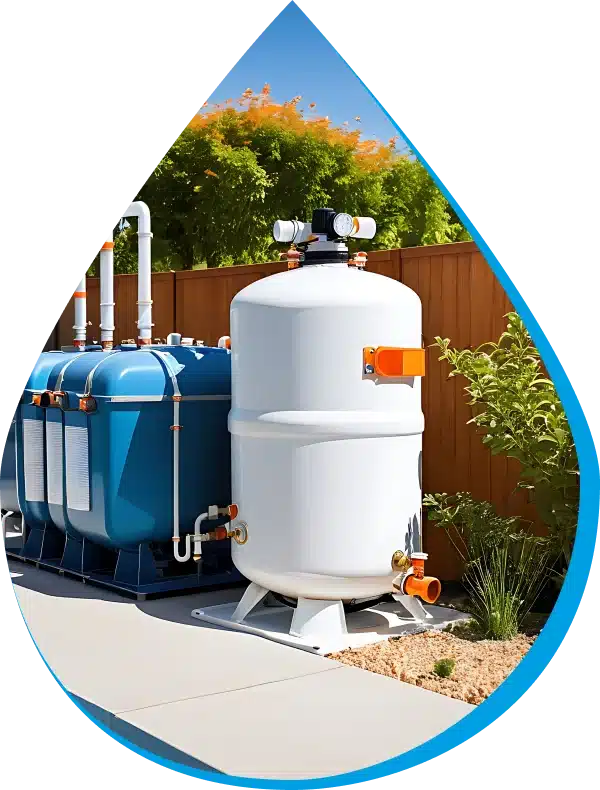
A new whole-house water softener treats water before it reaches your taps, showers, laundry, dishwasher, and water heater.
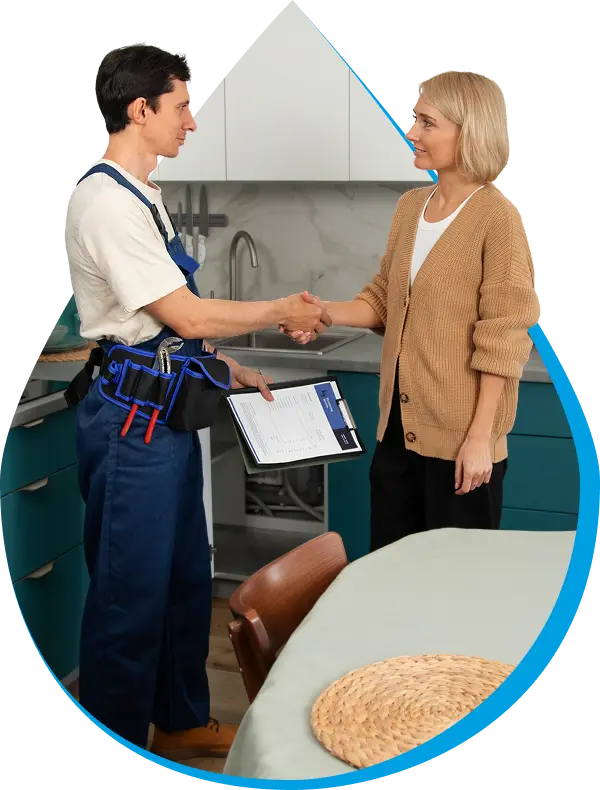
During installation, we look at the important details first: water hardness, household size, plumbing layout, drain access, bypass valve setup, and available space. Then we install and program the system so it works for your actual home.
If your current unit is old, unreliable, or no longer producing soft water, replacement is the cleanest fix.
Common reasons to replace a system include repeated breakdowns, poor salt efficiency, low soft water output, outdated controls, leaks, or a softener that is too small for your household.
A broken softener does not always need to be replaced. Some issues can be fixed with proper service.
We repair common water softener problems such as hard water returning, salt not going down, salt bridges, low pressure, leaking connections, valve issues, and systems that will not regenerate.
Maintenance keeps your softener from becoming a neglected tank in the mechanical room.
A service visit may include salt level checks, brine tank cleaning, valve inspection, resin bed performance checks, regeneration cycle testing, and water softness testing.
Yes. St. Albert water is considered moderately hard.
St. Albert receives water through the Edmonton/EPCOR supply system. EPCOR reports North Saskatchewan River water at about 165 mg/L as calcium carbonate on average. That level is hard enough to create scale, soap scum, water spots, and appliance buildup.as calcium carbonate.
You may already be seeing the signs:
A water softener reduces the minerals causing these problems before they move through the rest of your home.
Hard water leaves mineral deposits behind. These deposits collect on faucets, showerheads, valves, taps, and plumbing components.
A water softener reduces scale so your fixtures stay cleaner and your plumbing has less mineral buildup to handle.
Water heaters, dishwashers, washing machines, coffee makers, humidifiers, and ice makers all take a hit from hard water.
Softened water helps limit scale inside these appliances, which supports better performance and reduces unnecessary strain.
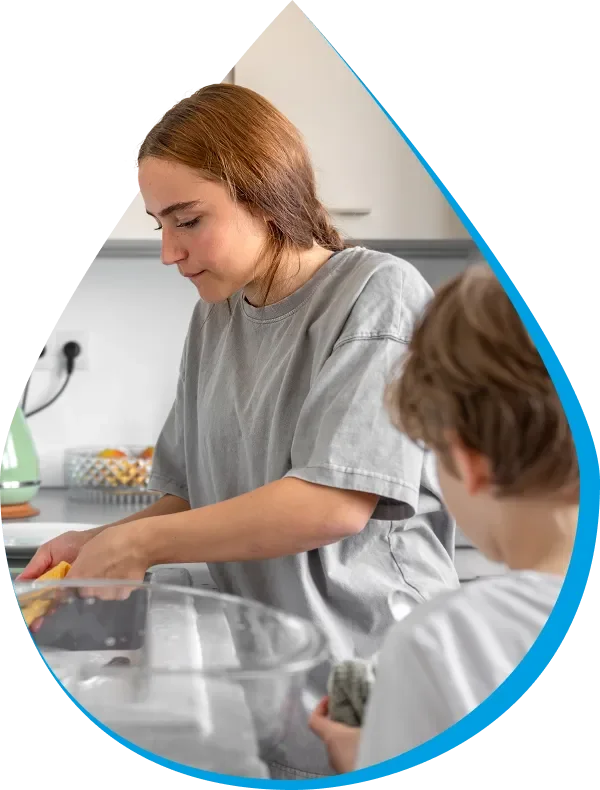
Hard water makes cleaning harder than it needs to be. Soap does not lather as well, detergent does not rinse as cleanly, and mineral residue gets left behind.
With softened water, laundry feels better, dishes look cleaner, and surfaces are easier to wipe down.
Hard water can leave residue on your skin and hair. That is why showers may feel less clean even when you use plenty of soap or shampoo.
Softened water rinses more cleanly and leaves less mineral residue behind.
Soap scum and white scale are two of the most visible hard water problems.
A softener reduces both by dealing with the hardness minerals before they reach your bathroom, kitchen, laundry room, and appliances.
The right system depends on your water, your household, and your plumbing setup. Here is the simple breakdown.
Water softener sizing should never be guessed. The wrong size creates problems.
A small system will regenerate too often and may not keep up. An oversized system can cost more than needed. A poorly matched system can waste salt and water.
Your water softener size depends on:
Water softener cost depends on the system and the installation.
A basic replacement costs less than a first-time installation that needs plumbing changes. A larger household may need more capacity. A home that adds reverse osmosis or filtration will have a different quote than a softener-only setup.
The main cost factors are:
Yes, if hard water is already causing problems in your home.
A water softener helps reduce scale, improve cleaning, protect appliances, improve laundry, reduce spots, and make showers feel better. Those are everyday benefits, not tiny technical upgrades.
A water softener can fail in small ways before it completely stops working.
If you catch the signs early, repair may solve the problem before the unit causes more frustration.
Book service if you notice:
Repair can solve many smaller issues, including programming problems, salt bridging, dirty brine tanks, clogged parts, valve trouble, or minor leaks.
Replace the unit when it is old, inefficient, undersized, or breaking down again and again.
A weak old unit is not worth constant repair bills. Replacing it gives you better performance and fewer service calls.
A water softener needs regular attention to keep working properly.
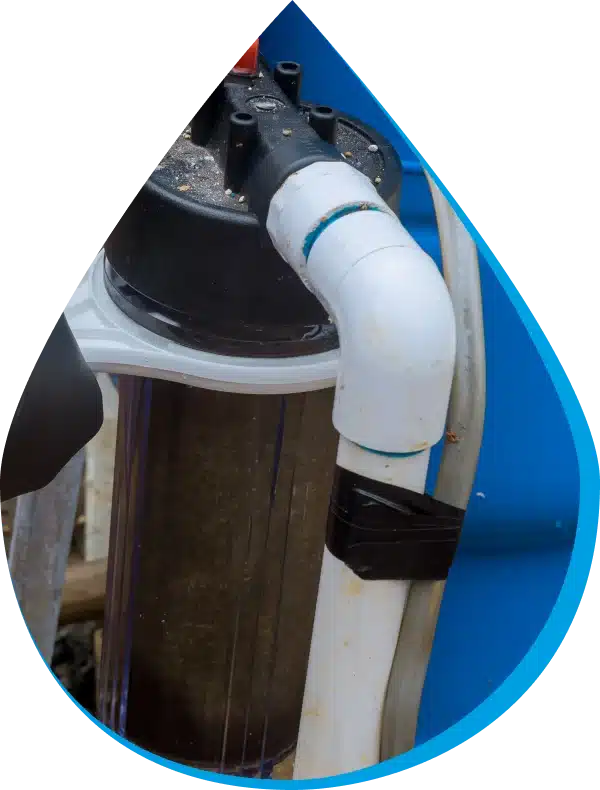
A water softener and a water filtration system are not interchangeable.
A water softener targets hardness minerals like calcium and magnesium. It helps reduce scale, spots, soap scum, and buildup in plumbing and appliances.
A filtration system targets water quality concerns like taste, odour, sediment, chlorine taste, and specific contaminants depending on the filter.
You need both when you want soft water throughout the home and better-tasting drinking water.
The softener handles hard water. The filter or reverse osmosis system handles drinking water quality.
Reverse osmosis is installed for drinking water, usually at the kitchen sink.
It does not replace a water softener. It works beside it.
You get practical advice, proper sizing, and local service from a team that understands Edmonton-area water.
We do not push a random system into every home. We check your water, look at your setup, explain your options, and give you a clear quote.
We serve Sherwood Park and nearby areas, including:
Yes. St. Albert receives water through the Edmonton/EPCOR supply system, and EPCOR reports North Saskatchewan River water at around 165 mg/L as calcium carbonate on average. That is considered moderately hard.
Common signs include white scale, soap scum, spots on dishes, dry-feeling skin or hair, rough towels, dull laundry, and appliance buildup.
The cost depends on system size, water usage, installation complexity, plumbing setup, old unit removal, and add-ons like reverse osmosis or filtration. A consultation gives you the most accurate price.
You need a system sized around your water hardness, household size, daily water use, number of bathrooms, and plumbing setup.
Yes. Softened water reduces hardness minerals that can leave residue behind after showering. Many homeowners find that soap and shampoo rinse more cleanly with soft water.
You need a softener for hardness, scale, soap scum, and mineral buildup. You need a filter for taste, odour, sediment, chlorine taste, or drinking-water quality concerns.
No. Reverse osmosis filters drinking water at a dedicated tap. A water softener treats hard water throughout the home.
Book annual service, or call sooner if your water feels hard again, salt usage changes, the unit leaks, or the system stops regenerating properly.