Get the right water softener installed for your Leduc home without guessing on size, setup, or system type.
Water Softener Edmonton helps with whole-home water softener installation, replacement, repair, and maintenance across Leduc and nearby communities.
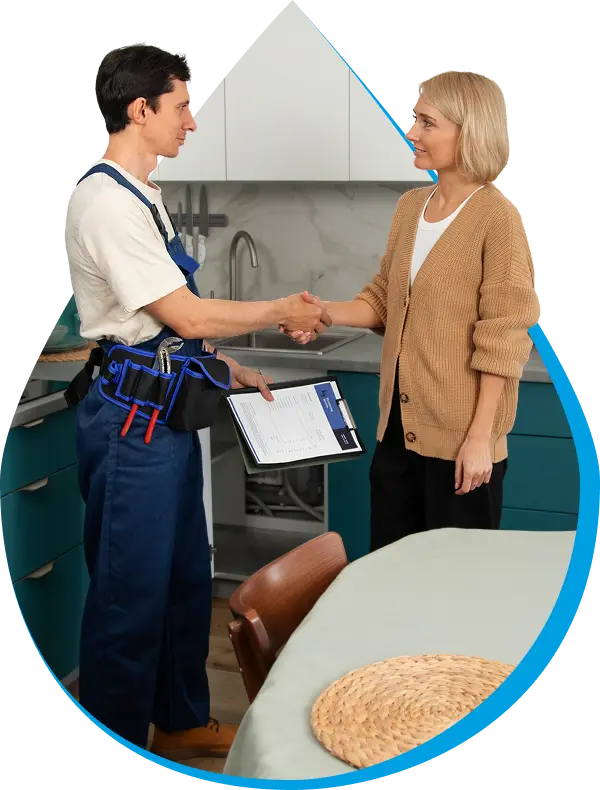
A water softener is not a product you should choose from a random online size chart.
Your home’s water hardness, daily water use, number of people, bathrooms, plumbing layout, drain access, and available space all matter. A smaller home in Leduc will not always need the same setup as a larger family home, acreage property, or small business.
That is why we start with the home first, not the equipment.
The goal is simple: install a system that fits your water, your space, and the way you actually use water every day. And we are here to help with that.
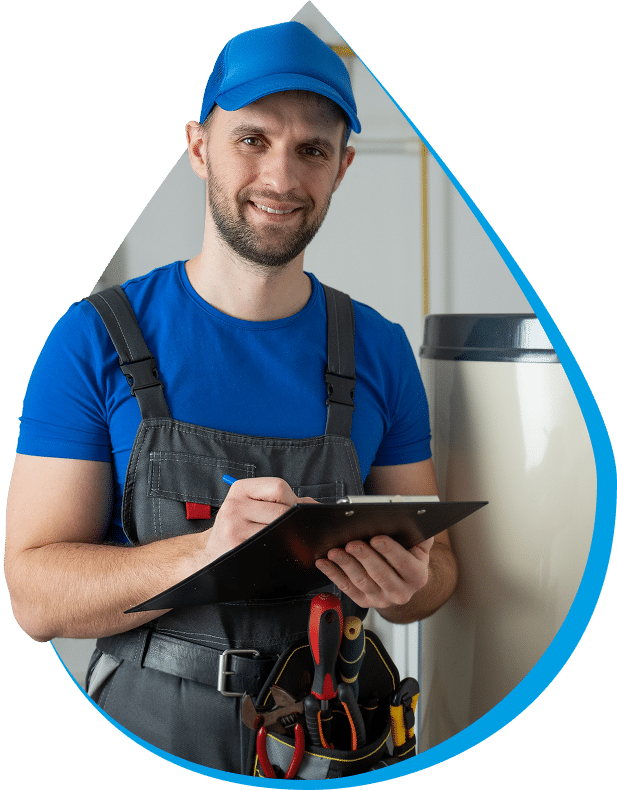
We help with new installations, replacements, repairs, and ongoing service. Whether you are tired of hard water problems or dealing with a softener that stopped doing its job, we can help you decide what comes next.
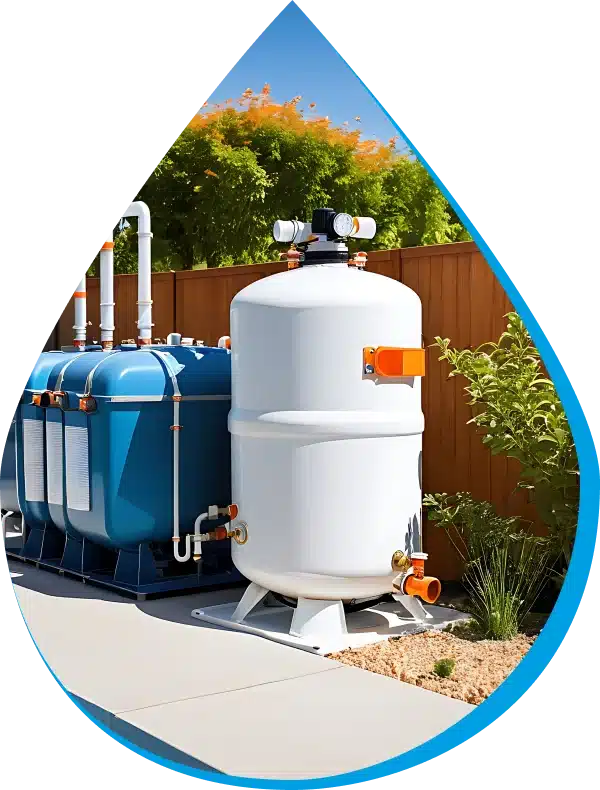
A whole-house water softener treats water before it moves through the rest of your home.
Before installation, we look at the details that affect performance:
Once the right system is selected, we install it, program it, test it, and walk you through how to use it.
Some old softeners are not worth fighting with anymore.
If your current system keeps breaking down, uses too much salt, regenerates too often, leaks, or fails to produce soft water consistently, replacement is the cleaner fix.
A newer high-efficiency water softener can give you better performance, easier controls, and less waste.
If your water softener suddenly stops working, the issue may be repairable.
Common problems include salt bridges, brine tank issues, clogged valves, worn resin, control head failure, low pressure, leaks, incorrect settings, or a system that will not regenerate.
We inspect the unit and tell you directly whether repair is worth it.
A neglected water softener can slowly lose performance.
Regular maintenance helps keep the system clean, efficient, and properly adjusted. Service may include salt level checks, brine tank cleaning, resin bed inspection, valve testing, regeneration cycle checks, and water softness testing.
Yes. Leduc-area water is connected to the broader EPCOR regional supply context, and EPCOR reports North Saskatchewan River water as moderately hard, averaging around 165 mg/L as calcium carbonate.
That means Leduc homeowners can deal with hardness minerals even though the water is treated and safe to use.
Hard water does not always look like a major problem at first. It usually shows up through repeat issues around the home.
Watch for:
A water softener helps reduce the hardness minerals causing these issues before they travel through your plumbing.
A properly installed water softener improves how your home uses water every day.
It helps reduce mineral buildup, protects water-using appliances, makes cleaning easier, and gives you more comfortable water throughout the house.
Hardness minerals collect on taps, showerheads, valves, fixtures, and plumbing components.
A softener reduces the mineral load before water reaches those areas. That means less buildup, cleaner fixtures, and fewer hard water headaches.
Your water heater, dishwasher, washing machine, coffee maker, humidifier, and ice maker all depend on the water running through them.
Hard water can leave scale behind inside these appliances. Softened water helps reduce that buildup and supports better long-term performance.
Hard water makes detergent work harder.
That can leave clothes feeling less clean, towels feeling rough, and fabrics looking dull. Softened water helps detergent rinse better, which can make laundry feel softer and cleaner.
Hard water can leave residue on skin and hair.
Soft water helps soap and shampoo rinse away more cleanly. For many homeowners, showers feel smoother and less drying after a softener is installed.
Hard water makes surfaces harder to keep clean.
A water softener helps reduce the mineral residue behind soap scum, cloudy glass, and crusty fixture buildup. You still have to clean your home, but you are not fighting the same hard water marks every few days.
The right system depends on your water source, household size, and what you want fixed.
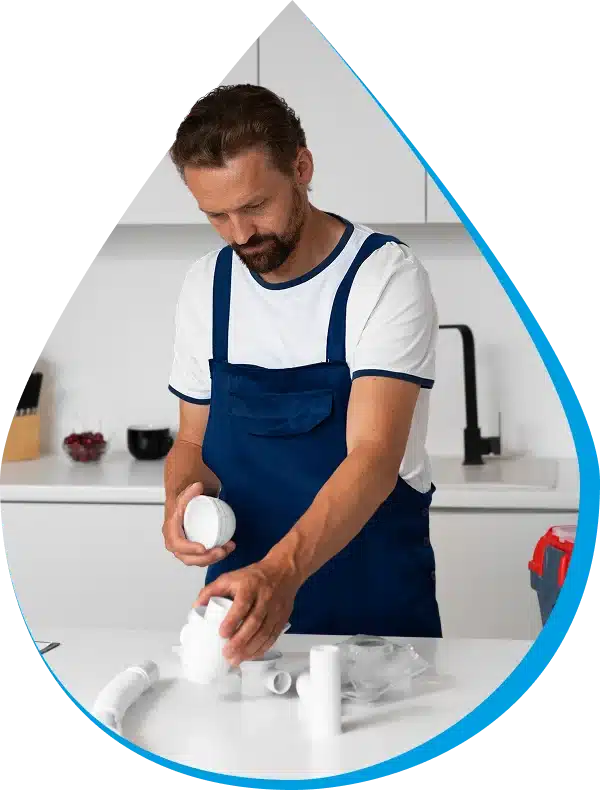
Water softener sizing should be based on actual usage, not guessing.
A system that is too small will regenerate too often and may fail to keep up. A system that is too large may cost more than necessary. A poorly matched system can waste salt, waste water, and still leave you unhappy with the results.
Your water softener size depends on:
If you already have a softener, we check whether it can still be saved.
Sometimes the system only needs service, reprogramming, brine tank cleaning, or a small repair.
Replacement becomes the better choice when the unit is old, inefficient, undersized, leaking, or repeatedly breaking down.
A good installation is more than connecting a tank and leaving.
The system has to be sized, installed, programmed, and tested correctly.
We start with your water concerns and what you want fixed.
You can tell us what you are noticing at home, whether that is rough laundry, appliance buildup, dry showers, old equipment, or a system that stopped working.
We review your water hardness, household usage, plumbing layout, installation space, drain access, and current water treatment equipment.
This step helps us avoid recommending the wrong system.
We explain the system size, equipment type, efficiency, salt usage, optional filtration add-ons, and installation requirements.
You get a clear quote before the work begins.
The system is installed with the correct plumbing connection, bypass valve, drain line, brine tank setup, and regeneration settings.
We test the system after installation to make sure it is working properly.
Before we finish, we show you how the system works.
You will know how to check salt, when to refill it, what warning signs to watch for, and when to book service.
Water softener cost depends on the system, installation, and home setup.
A first-time installation can cost differently than a replacement. A large household may need more capacity. A home that adds reverse osmosis or filtration will have a different quote than a softener-only installation.
The main cost factors include:
Yes, when hard water is creating ongoing problems in the home.
A water softener helps reduce buildup, protect appliances, improve laundry, make cleaning easier, and make water feel better in daily use.
It is not a decorative upgrade. It is a functional home improvement.
Fixed online pricing is rarely accurate because every home is different.
The better approach is to test the water, check the plumbing, review usage, and quote the system that actually fits.
If your water softener is not working properly, do not wait until the problem gets worse.
A failing softener can waste salt, waste water, leak, or leave your home dealing with hard water again.
Book a service call if you notice:
Common issues include brine tank problems, clogged valves, resin bed problems, control head failure, drain line issues, salt bridging, and incorrect settings.
Some problems are simple repairs. Others are signs that the system is wearing out.
Repair makes sense when the system is still in good condition, and the issue is specific.
Replacement makes more sense when the unit is old, inefficient, undersized, leaking, or needing service too often.
We help you avoid wasting money on a repair that only buys a little time.
Maintenance keeps your system working consistently.
It also helps prevent salt waste, regeneration issues, hard water returning, and avoidable service calls.
The system needs enough salt to regenerate properly.
If the salt level gets too low, your water may start feeling hard again.
The brine tank can collect residue, salt mush, and buildup over time.
Cleaning it helps protect system performance.
The resin bed is where hardness minerals are reduced.
If the resin is worn or fouled, the softener will not work properly.
The valve controls regeneration. If the valve or settings are wrong, the system can waste salt and water or stop softening consistently.
Annual service is a smart way to keep the system checked, cleaned, and adjusted.
It also gives you a chance to catch small problems before they become bigger repairs.
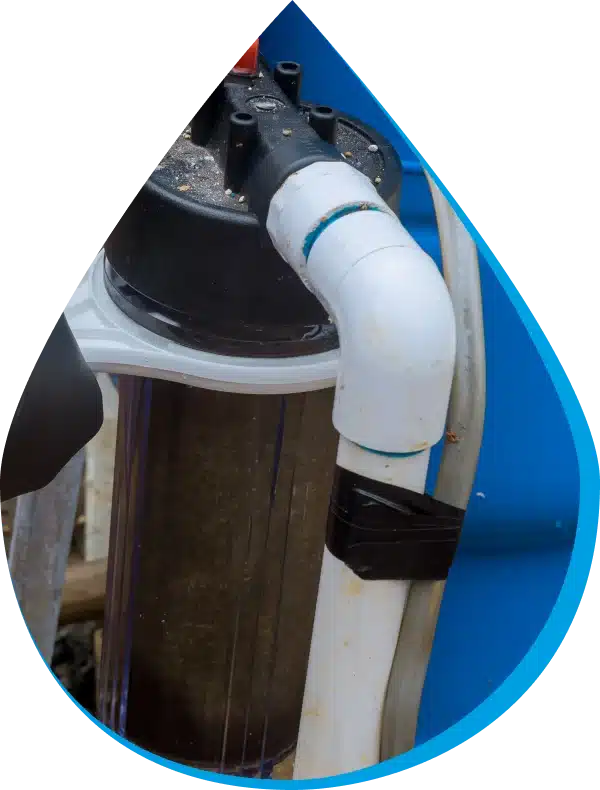
A water softener and a water filter are not the same thing.
They can work together, but they solve different problems.
A water softener targets hardness minerals like calcium and magnesium.
It helps reduce scale, mineral buildup, soap scum, rough laundry, and hard water residue around the home.
A water filter targets water quality concerns such as taste, odour, sediment, chlorine, iron, lead, or other contaminants depending on the filter type.
You need both when you want soft water throughout the home and better drinking water from the tap.
The softener handles hard water. The filter or reverse osmosis system handles drinking water quality.
Reverse osmosis is mainly used for drinking water.
It does not replace a softener because it does not treat the whole home. It works beside a softener when you want both softened household water and better drinking water.
Leduc is not only residential. With nearby Nisku, Leduc County, and Edmonton International Airport, many properties use water heavily every day.
That includes homes, shops, offices, clinics, cafés, salons, restaurants, small warehouses, and light commercial spaces.
For homes, the focus is usually comfort, cleaning, appliance protection, laundry, showers, and whole-home water use.
We help homeowners choose systems that match their family size, plumbing layout, and daily demand.
For small businesses, water quality affects equipment, cleaning, customer experience, and operating costs.
A salon may care about water feel and rinsing. A café may care about equipment protection and drink quality. A laundromat or clinic may need stronger capacity and consistent performance.
A larger-capacity system may be needed when the property has:
The system should be sized for actual demand, not treated like a standard home setup.
We provide water softener installation, replacement, repair, and maintenance across Leduc, including:
Whether you live in a newer subdivision, an older home, or a property near Leduc County, we can help you get the right water softener setup.
You get a clear process, proper sizing, and a system recommendation based on your home.
We do not believe in pushing the same unit into every property. We check the water, review the plumbing, explain the options, and install the system properly.
We also serve nearby communities, including:
Yes. Leduc-area water is connected to the EPCOR regional supply context, and EPCOR reports North Saskatchewan River water as moderately hard, around 165 mg/L as calcium carbonate on average.
Common signs include mineral buildup, soap scum, rough laundry, dry-feeling skin or hair, water spots, and scale inside water-using appliances.
The cost depends on system size, household water use, plumbing setup, installation complexity, old softener removal, and whether filtration or reverse osmosis is added.
The right size depends on your water hardness, number of people in the home, daily water use, bathrooms, laundry usage, and installation setup.
Yes. Softened water reduces hardness minerals that can leave residue on skin and hair, helping soap and shampoo rinse away more cleanly.
You need a water softener for hardness, scale, and mineral buildup. You need a water filter for taste, odour, sediment, chlorine, iron, lead, or drinking-water quality concerns.
No. Reverse osmosis filters drinking water at a dedicated tap. A water softener treats hard water throughout the home.
Annual service is recommended. Book service sooner if your water feels hard again, salt usage changes, the unit leaks, or the system stops regenerating properly.