Skip to content
If you’re typing “is water softener worth it in Edmonton”, you’re probably not shopping for fun. You’re trying to stop the same hard-water problems from repeating every week:
- spots and chalky buildup on faucets, shower glass, and sinks
- soap scum that shows up again right after cleaning
- stiff towels and “never quite fresh” laundry
- dry skin after showers
- kettles, humidifiers, coffee makers, and showerheads that constantly need descaling
So here’s the honest answer:
Yes, a water softener is worth it for most Edmonton homes if you want less scale, easier cleaning, better shower/laundry feel, and fewer hard-water headaches over the years you live there.
But “worth it” depends on what you actually want fixed. A softener solves hardness (calcium + magnesium). If your main issue is drinking water taste, you might feel a bigger impact faster by adding a dedicated drinking-water system at the kitchen sink (or pairing that with softening).
This guide will help you decide without guessing, using Edmonton realities, real installed pricing, ongoing costs, and practical “what would I do if this were my house?” logic.
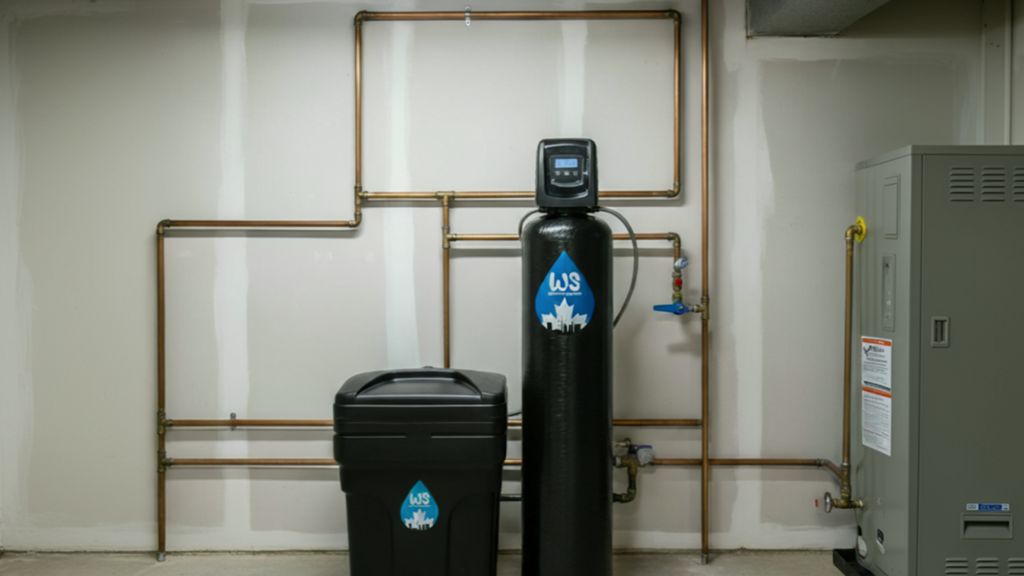
The quick verdict (based on real Edmonton homeowner situations)
A water softener is usually worth it in Edmonton if:
- You own the home and plan to stay 3+ years
- You’re already dealing with visible scale or soap scum
- You’re tired of constant cleaning and descaling
- You want softer-feeling laundry and less dry-skin shower frustration
- You want to protect fixtures and water-using appliances long-term
It may be less worth it right now if:
- You’re moving soon (within 12–24 months) and don’t care about long-term home benefits
- You mainly want better drinking-water taste (an RO system might be your fastest win)
- You live in a condo with strict plumbing/drainage rules and need a smaller solution first
Why hard water feels like a bigger deal in Edmonton than people expect
Edmonton’s municipal water is commonly described as moderately hard and that’s enough to create very noticeable scale and soap performance issues in day-to-day life.
Here’s what makes it feel “worse” over time:
- Hot water speeds everything up.
Scale forms more quickly when water is heated, which is why your shower, dishwasher, kettle, and hot-water tank show the worst symptoms. - Hardness doesn’t announce itself as one big failure.
It shows up as dozens of small annoyances—spotting, film, soap scum, scale lines—until you’re spending real time and money fighting it. - Edmonton water can also have a disinfectant “feel.”
Edmonton uses chloramine in the distribution system. That’s separate from hardness, but it often influences how people feel about their water overall (especially taste, smell, and shower experience). If that’s you, filtration can be the perfect add-on alongside softening.
If you want to see what’s coming into your area right now, EPCOR publishes daily water quality info (including hardness):
What a water softener changes (and what it doesn’t)
What it changes (the “worth it” improvements)
A salt-based water softener removes hardness minerals using ion exchange. In real Edmonton homes, this usually means:
- Less scale on fixtures, shower doors, tiles, sinks, and taps
- Less soap scum and less “film” on surfaces
- Better lather (shampoo and soap actually behave normally)
- Cleaner-rinsing showers (less of that “stuck” feeling from mineral residue)
- Better laundry feel over time (especially towels and dark clothing)
- Less descaling of kettles, humidifiers, coffee machines, and showerheads
What it doesn’t change
A softener does not automatically fix:
- drinking-water taste (that’s often a filtration/RO issue)
- sediment (a pre-filter may be needed)
- iron/manganese problems (more common in well water)
That’s why many Edmonton homeowners choose a combination: soft water for the whole home & great drinking water at the kitchen sink.
The fastest way to know you’ll feel the difference quickly
If you check three or more of these, you’ll almost definitely notice the impact:
- Your shower glass spots up quickly even after cleaning
- White crust/scale forms around faucets and showerheads
- Your kettle or humidifier needs frequent descaling
- Soap scum builds fast on tubs and tile
- Your skin feels dry after showers
- Towels feel rough/stiff even with fabric softener
- You’re using more shampoo, body wash, or detergent than you think you should
For these homes, a water softener feels “worth it” not because of one perfect ROI calculation, but because it removes a repeating weekly problem.
What does a water softener cost in Edmonton (installed)?
When people ask “is water softener worth it Edmonton”, they usually need real installed numbers—not “unit-only” prices that ignore proper sizing, setup, and install quality.
Here’s our clear snapshot of common installed options (with installation included):
| Option | Installed Price | Best fit for |
| City Water Softener (Advanced Unit) | $1,999 (includes installation) | Most Edmonton homes wanting reliable soft water and less scale |
| City Water Softener (Platinum Unit) | $2,699 (includes installation) | Larger households, higher flow needs, or homeowners planning long-term |
| Chlorine Pre-Filter (add-on) | $499 (includes installation) | Extra filtration support alongside softening |
| Whole-Home Chlorine Removal Tank (add-on) | $1,699 (includes installation) | Whole-home filtration benefits + softer water experience |
You can view the full Edmonton city-water pricing and packages here
If you want the fastest path to a clear recommendation for your exact home setup, get a free water test
Ongoing costs: what you pay after installation (and what most people misunderstand)
Most homeowners hear “you’ll need salt” and imagine a big monthly expense. In practice, ongoing costs usually stay predictable and manageable, when the system is sized and programmed correctly.
1) Salt (the main ongoing cost)
Salt usage depends on:
- household size (how many people + how many showers/laundry loads)
- water hardness level
- how efficiently the softener is programmed
The mistake that increases salt cost isn’t “softeners are expensive.”
It’s usually oversizing/undersizing, incorrect settings, or a softener regenerating more often than it needs to.
2) Basic upkeep (small but important)
For most homes, upkeep is simple:
- keep salt stocked
- occasionally check for salt bridging/clumping
- clean the brine tank when needed (not constantly)
3) Filters (only if you add filtration stages)
If you add pre-filtration or whole-home filtration, replacement schedules vary by filter type and your water usage. This is why the best approach is: solve the core problem first (hardness), then add filtration if you actually want the additional benefits.
Where the value shows up in real life (why homeowners say “I’d never go back”)
When a water softener is worth it, you feel it in the repeat costs you stop paying.
The hidden costs hard water creates
Hard water creates a slow drip of costs in daily life:
- Cleaning time cost: more scrubbing, more wiping, more repeat cleaning
- Product cost: more shampoo, body wash, detergent, cleaners
- Appliance maintenance cost: more descaling, more buildup-related issues
- Fixture frustration cost: faucets and showerheads get crusty and dull faster
This is why “worth it” often becomes obvious within the first month. It’s not a luxury upgrade. It’s a consistency upgrade—your home stays easier to maintain.
If your biggest complaint is taste, not scale
If your water mostly “tastes off” or you’re buying bottled water, a softener alone may not be the upgrade that feels most worth it.
Many Edmonton homeowners choose a two-part approach:
- soft water for the whole home (showers, laundry, fixtures, appliances)
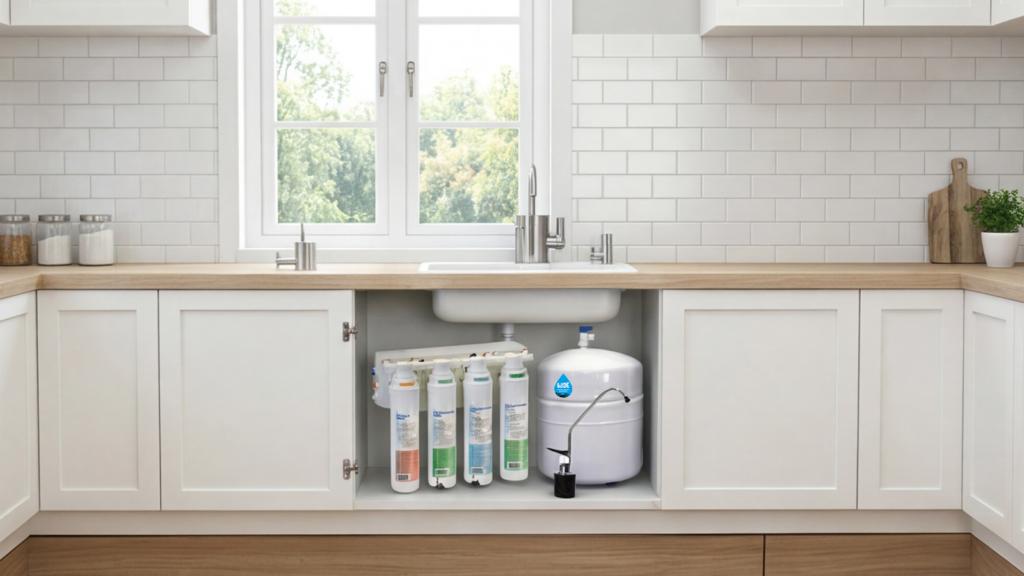
- RO drinking water at the kitchen sink (taste and clarity)
You can see RO options here
Salt-based vs salt-free in Edmonton: how “worth it” changes
Some homeowners ask the worth-it question because they want less maintenance and don’t want to deal with salt. Totally fair.
Here’s the key difference:
- Salt-based softener: removes hardness minerals (true soft water)
- Salt-free conditioner: aims to reduce scale formation, but hardness minerals usually remain in the water
So if your goals are:
- softer-feeling showers
- better lather
- less soap scum
- laundry that feels genuinely softer
…salt-based softening typically delivers the bigger day-to-day difference.
If your goals are:
- lower scale buildup
- minimal maintenance
- no salt handling
…salt-free may be a fit—just make sure you’re choosing it for the right reason.
What about condos and townhomes in Edmonton?
A softener can absolutely be worth it in condos, but condo installs depend on drainage, bylaws, and space. If you live in a condo and want a realistic picture of what’s possible, this guide helps:
Navigating Condo Rules for Water Softener Installation in Edmonton
What if you’re on well water outside Edmonton?
If you’re on a private well, hardness may not be the only issue. Iron, manganese, sulfur smell, sediment, and bacteria protection can change what “worth it” means because the right solution often becomes a multi-stage system, not a basic city-water softener.
View well water options here
FAQ: Edmonton homeowners ask these all the time
“Will a water softener make my water feel slippery?”
Many people notice a smoother rinse feel at first because soap actually rinses differently in softened water. Most homeowners adjust quickly and the trade-off is far less soap scum and scale buildup.
“What about sodium in softened water?”
If sodium is a concern for your household, a common approach is to keep drinking water separate (either a dedicated kitchen line or a drinking-water system at the sink). Many homeowners soften the whole home for comfort and use RO for drinking water.
“How much maintenance is this, realistically?”
For most city-water homes: keep salt stocked, check occasionally for bridging, and do periodic basic checks. If you add filtration stages, those have their own replacement schedule.
“How do I know what size I need?”
Household size, flow needs (bathrooms), and actual water conditions matter. This is exactly why the simplest next step is a proper test and recommendation.
Final answer: Is a water softener worth it in Edmonton?
If you’re dealing with scale, spotting, soap scum, stiff laundry, or constant descaling, yes, a water softener is worth it in Edmonton homes. It’s one of the few home upgrades that improves daily comfort immediately while also reducing the long-term “hard water tax” you pay in cleaning time and maintenance.