Get the right water softener for your Devon, AB home with proper water testing, system sizing, and installation.
Water Softener Edmonton provides water softener installation, replacement, repair, maintenance, and water treatment recommendations for Devon homes, acreages, trailers, and nearby rural properties.

Devon homes can have different water needs depending on the property, plumbing setup, and water source.
Some homes need a simple whole-house water softener. Others may need water testing first to check hardness, iron, sediment, odour, or drinking-water concerns.
That is why we do not recommend equipment blindly. We test, review the setup, and help you choose the right system for the actual water in your home.
A new water softener should be sized around your household, not chosen from a random product page.
Before installation, we look at your water hardness, number of people in the home, bathrooms, laundry use, plumbing layout, drain access, and available installation space.
For acreage or rural properties near Devon, we may also recommend testing for iron, sediment, odour, bacteria, or other water concerns before deciding what equipment belongs in the system.
If your current softener is old, undersized, or constantly acting up, replacement may be the better decision.
A softener may need replacing when it uses too much salt, regenerates too often, leaks, fails to soften consistently, or cannot keep up with your household’s water demand.
We check the existing system first, so you know whether replacement is actually necessary.
Some water softener problems can be fixed without replacing the whole unit.
Common issues include salt bridges, brine tank problems, clogged valves, resin bed issues, control head problems, low water pressure, leaks, incorrect settings, and failed regeneration cycles.
We inspect the unit and tell you whether repair, cleaning, reprogramming, resin replacement, or full replacement makes the most sense.
Maintenance keeps your system reliable.
A service visit may include salt level checks, brine tank cleaning, resin bed inspection, valve testing, regeneration-cycle checks, and water softness testing.
For rural or acreage systems, maintenance may also include reviewing other water treatment equipment connected to the home.
This is especially important for Devon-area homes.
A water test helps confirm what problem needs solving before you spend money on equipment. Hardness is only one part of the picture. Some homes may also need help with sediment, iron, odour, chlorine or chloramine concerns, drinking-water taste, or rural water-source differences.
Testing helps decide whether you need a softener, filtration, reverse osmosis, specialty treatment, or a combination system.
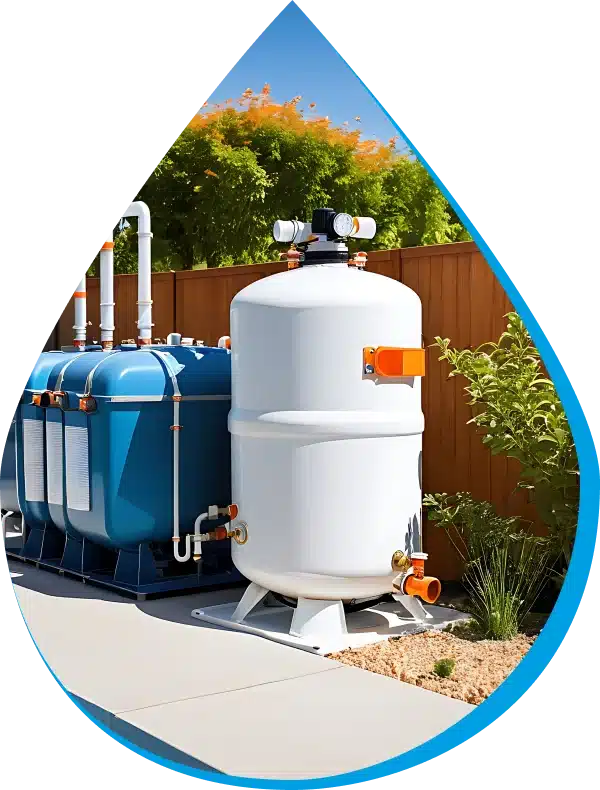
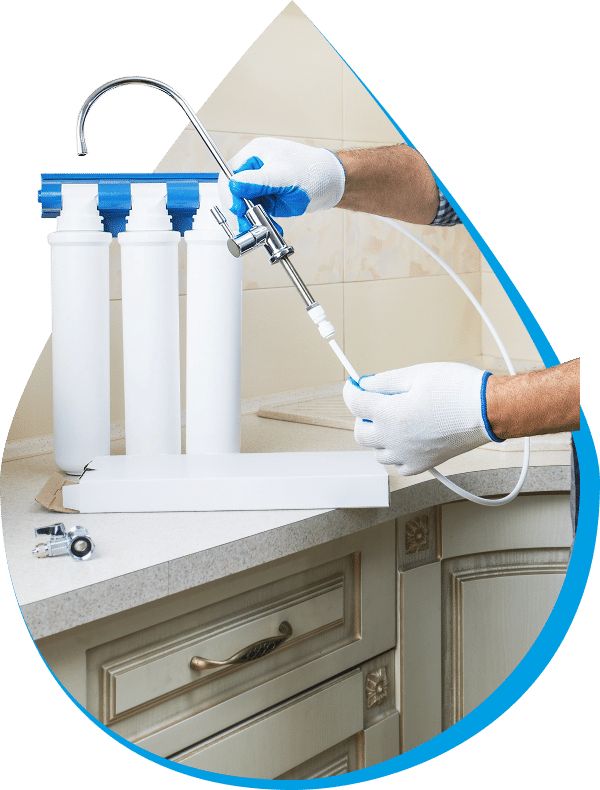
The best way to confirm hardness in a Devon home is with a water test.
Many homes in the Edmonton region deal with mineral-related water issues, but the exact hardness level can vary by property, plumbing setup, and water source. Devon also has homes, acreages, trailers, and nearby rural properties where water conditions may not all be the same.
So instead of guessing, the smarter approach is simple: test the water first, then choose the system.
You may need a water softener if you notice:
These signs usually mean hardness minerals are moving through the home and leaving residue behind.
A water test gives you a clearer answer than guessing based on symptoms.
It can help identify:
For Devon homes near rural areas, testing is the step that prevents the wrong equipment from being installed.
A water softener helps treat hardness before it spreads through the rest of the home.
For Devon homeowners, that can mean easier cleaning, better appliance protection, softer-feeling laundry, and more comfortable everyday water use.
Hardness minerals can collect around faucets, showerheads, valves, pipes, and fixtures.
A water softener helps reduce that mineral load before it reaches the rest of your plumbing. That means less buildup to manage and fixtures that are easier to keep clean.
Water heaters, dishwashers, washing machines, coffee makers, humidifiers, and ice makers all depend on the water running through them.
Hard water can leave scale inside these appliances. Softened water helps reduce that buildup and supports better long-term performance.
Hard water makes soap and detergent work harder.
With softened water, detergent rinses more cleanly, towels can feel better, laundry can feel softer, and daily cleaning becomes less frustrating.
Hard water can leave mineral residue behind after rinsing.
Softened water can reduce that residue, helping soap and shampoo rinse away more cleanly. Many homeowners find showers feel better after installing a softener.
If buildup keeps coming back after you clean, the issue may be the water itself.
A water softener helps reduce the minerals behind scale, water spots, and soap scum before the water reaches your bathroom, kitchen, laundry area, and appliances.
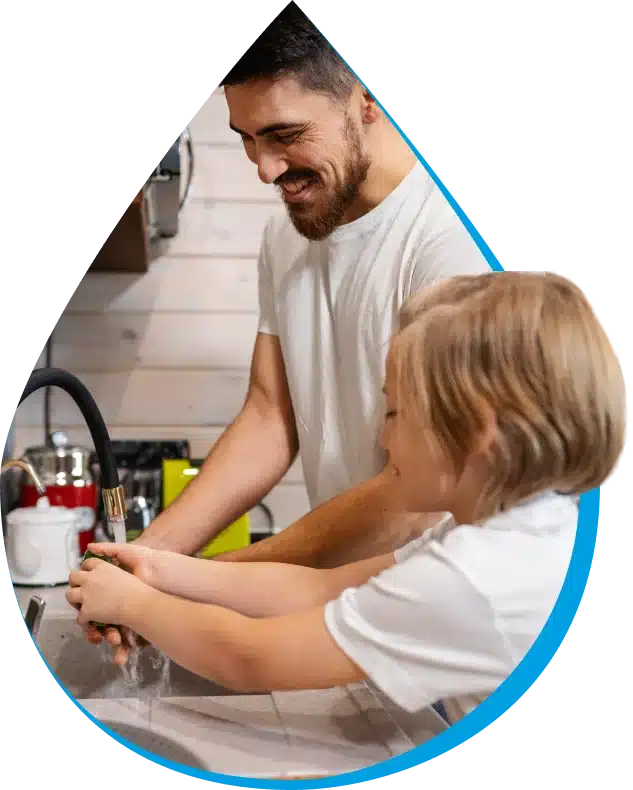
The right system depends on your water test, water source, home size, and what you want to improve.
A Devon town home may only need a properly sized whole-house softener. An acreage or rural property may need filtration or specialty treatment before or after the softener.
A whole-house water softener treats water before it moves through the rest of your home.
This is the main option for homeowners who want softened water for showers, laundry, dishes, fixtures, and appliances.
High-efficiency softeners are designed to reduce unnecessary salt and water use.
They are a strong choice for households that want dependable soft water without a wasteful regeneration cycle.
Salt-based water softeners reduce hardness minerals like calcium and magnesium through ion exchange.
If your goal is true soft water throughout the home, this is the system type to focus on.
Salt-free conditioners work differently from traditional water softeners.
They can help with scale control, but they do not remove hardness minerals the same way a salt-based softener does. If you want soft water for showers, laundry, and cleaning, a salt-based system does more.
A water softener treats hardness throughout the home.
Reverse osmosis treats drinking water at a dedicated tap, usually in the kitchen. It is a good option if you want softer household water and better-tasting drinking water.
Carbon filtration can help with taste, odour, chlorine or chloramine concerns, and general water quality.
It does not replace a water softener, but it can work with one as part of a more complete home water treatment setup.
This is an important difference for Devon.
Homes in town and nearby rural properties may not need the same equipment. Acreage or well-water systems may require testing for hardness, iron, sediment, odour, bacteria, and pressure-system concerns.
A softener may solve hardness, but it will not automatically solve every water issue. Testing helps build the right setup.
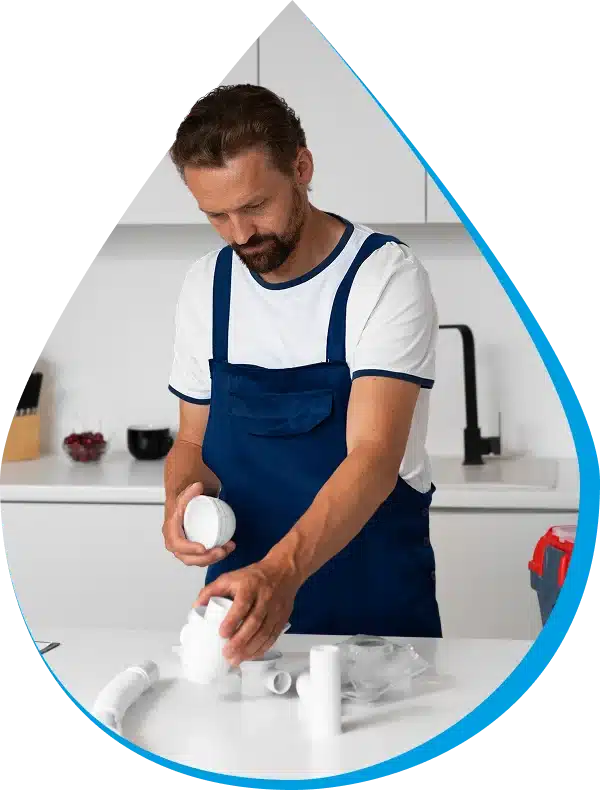
Water softener sizing should be based on the home and the water test.
A system that is too small can regenerate too often and fail to keep up. A system that is too large can cost more than needed. A poorly matched system can waste salt, waste water, and still leave you unhappy with the results.
Hardness testing helps determine how much mineral content the system needs to handle.
This is one of the first things to check before choosing a softener.
More people means more daily water use.
Showers, laundry, dishes, cleaning, cooking, and general routines all affect how much capacity your system needs.
A home with multiple bathrooms, frequent laundry, and heavy dishwasher use needs a system that can keep up during peak demand.
Sizing should match how your household actually uses water.
Installation space matters.
We review bypass valve location, drain routing, available mechanical room space, water entry point, and existing plumbing setup before recommending a system.
If you already have a softener, we check whether it can be repaired, reprogrammed, cleaned, or upgraded.
Some systems only need service. Others are too old, too inefficient, or too undersized to keep.
Devon-area properties can include more than standard single-family homes.
Acreages, trailers, rural homes, lake lots, utility rooms, basements, and non-standard setups may need a more careful review before equipment is recommended.
The water source, pressure system, plumbing layout, and available installation space all matter.
A good installation starts before the equipment is chosen.
We start by learning about your home, your water concerns, and your property type.
This helps us understand whether you need a standard softener or a broader water treatment setup.
We test for hardness and review other possible concerns such as iron, sediment, odour, chlorine or chloramine, and drinking-water quality.
For acreage or rural properties, this step is especially important.
We look at mechanical room space, drain access, bypass valve location, water entry point, existing equipment, and service access.
This helps prevent installation problems later.
You get a clear recommendation based on system capacity, salt use, efficiency, filtration add-ons, reverse osmosis options, and installation requirements.
The quote is explained before work begins.
The system is installed, connected, programmed, leak-tested, and started up.
We check the setup after installation to make sure it is working properly.
Before we finish, we show you how to use and maintain the system.
You will know how to check salt, what to watch for, when cleaning may be needed, and when to schedule service
Water softener cost depends on the system, the installation, and the water source.
A simple town-home installation may be different from an acreage or rural property that needs extra testing, filtration, or specialty treatment.
The main cost factors include:
Yes, if hardness is creating repeated problems in your home.
A water softener can reduce buildup, protect appliances, improve laundry, make cleaning easier, and make daily water use more comfortable.
For rural properties, the value depends on testing and choosing the right combination of equipment.
Do not rely on generic online pricing.
A proper quote should account for your water test, water source, household use, plumbing setup, and whether filtration or reverse osmosis should be included.

If your water softener is not working properly, service it before the issue gets worse.
A failing softener can waste salt, waste water, leak, or allow hard water to move through the home again.
Call for service if you notice:
Common issues include brine tank problems, clogged valves, worn resin, incorrect settings, control head problems, salt bridges, drain line issues, and tank leaks.
Some problems are simple service issues. Others point to a system that is wearing out.
Repair makes sense when the unit is still in good condition, and the problem is specific.
Replacement is better when the softener is old, inefficient, undersized, leaking, or needing repeated service.
We help you avoid paying for a repair that only delays the real fix.

Maintenance keeps the system reliable and helps prevent hard water from returning.
Salt should stay at the right level so the system can regenerate properly.
If the salt runs low or bridges inside the tank, softening performance can drop.
The brine tank can collect salt mush, residue, and buildup over time.
Cleaning helps protect the regeneration process
The resin bed does the softening work.
If the resin is worn, fouled, or damaged, the system may stop reducing hardness properly.
The valve controls when and how the softener regenerates.
If the settings or valve are wrong, the system can waste salt, waste water, or fail to keep up with the home.
Annual service helps keep the system checked, cleaned, and adjusted.
It also helps catch smaller issues before they become repairs.
Rural water systems may need more monitoring than a standard city-water home.
If your setup includes filters, pressure equipment, iron treatment, sediment filters, UV, or reverse osmosis, maintenance should look at the full system, not just the softener.
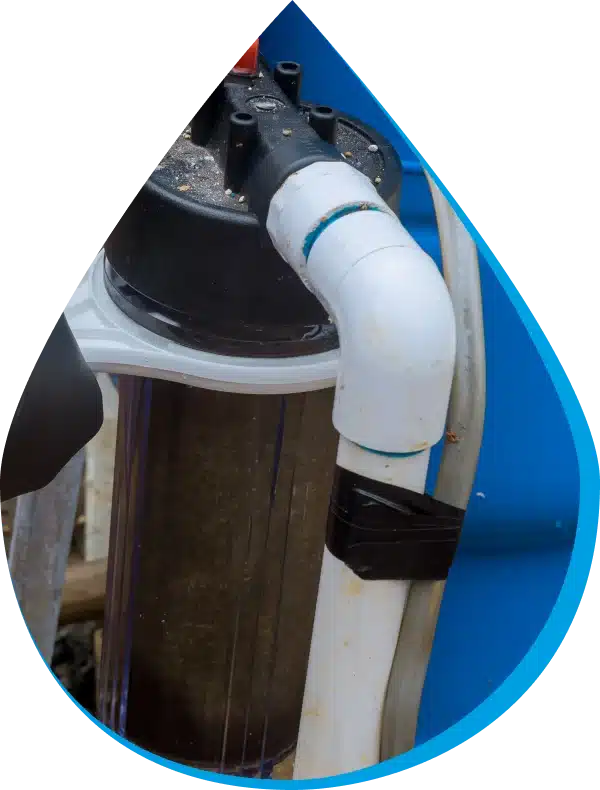
A water softener and water filter are different systems.
The right answer depends on the water test.
A water softener targets hardness minerals like calcium and magnesium.
It helps reduce scale, soap scum, mineral buildup, rough laundry, and hard water residue around the home.
A water filter targets water quality concerns such as taste, odour, sediment, chlorine or chloramine, iron, and other issues depending on the system.
You may need both if you want soft water throughout the home and better drinking water at the tap.
A softener handles hardness. A filter or reverse osmosis system handles water quality concerns.
Reverse osmosis is mainly used for drinking water.
It does not replace a whole-home water softener. It works beside one when you want softened household water and filtered drinking water.
Some Devon-area properties may need more than a softener.
Iron filters, carbon filters, sediment filters, UV systems, or specialty treatment may be recommended depending on the water test.

Devon water treatment should not be treated like one standard setup.
A townhome, acreage, trailer, rural property, and small business can all have different needs.
For Devon homes, the focus is usually whole-house water softening for daily use.
We help with systems for single-family homes, townhomes, family households, and homes with existing softeners that need service or replacement.
Acreage and rural properties need a testing-first approach.
Well water, cisterns, pressure systems, iron staining, sediment, odour, and bacteria concerns should be checked before recommending equipment.
A softener may be part of the solution, but the full system should match the water source.
We also help small businesses that need reliable water treatment.
That may include cafés, salons, offices, clinics, shops, small hospitality properties, and light commercial spaces.
We provide water softener installation, repair, replacement, maintenance, and water testing across Devon and nearby areas, including:
You get a water treatment recommendation based on testing, not guesswork.
We help Devon homeowners choose the right softener, filtration, reverse osmosis, or specialty treatment setup based on the actual property.
We also serve nearby communities, including:
The best way to confirm hardness in a Devon home is with a water test. Many homes in the Edmonton region deal with mineral-related water issues, but hardness can vary by property, plumbing, and water source.
Common signs include white buildup, soap scum, spots on dishes, dry-feeling skin or hair, rough towels, and scale around fixtures or appliances.
The cost depends on system size, water usage, plumbing setup, installation complexity, old system removal, water source, and whether filtration or reverse osmosis is added.
The right size depends on hardness level, number of people in the home, bathrooms, laundry use, daily water demand, and plumbing setup.
They may. Acreage or rural properties may need testing for hardness, iron, sediment, odour, bacteria, and pressure-system issues before equipment is recommended.
Yes. Softened water can reduce mineral residue that contributes to dry-feeling skin, hair, and soap buildup.
A softener targets hardness and scale. A filter targets taste, odour, sediment, chlorine or chloramine, iron, or other water-quality concerns.
No. Reverse osmosis is usually for drinking-water filtration, while a water softener treats hardness throughout the home.
Annual service is a good recommendation. Book service sooner if the water feels hard again, salt usage changes, or the system stops regenerating properly.