Get a properly sized water softener installed for your Fort Saskatchewan home or small business.
Water Softener Edmonton provides water softener installation, replacement, repair, and maintenance across Fort Saskatchewan, AB, Fort Sask, and nearby communities.

Fort Saskatchewan homeowners often need more than “just installation.” Some need a new system. Some have an older softener that keeps acting up. Some need repair because the water has started feeling hard again.
We help with the full setup, from choosing the right unit to keeping it working after installation.
A water softener should be installed around your home’s actual water demand.
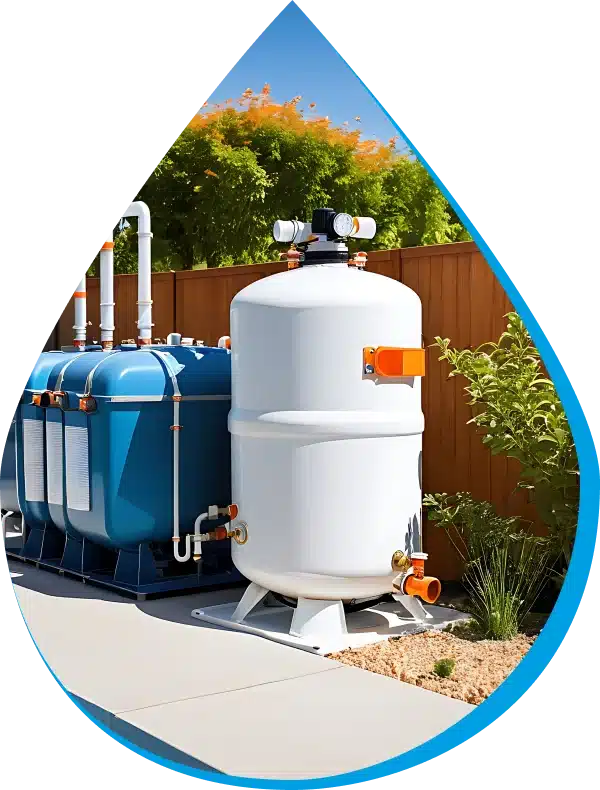
Before recommending a system, we look at water hardness, number of people in the home, bathrooms, laundry use, plumbing layout, drain access, bypass valve setup, and available installation space.
Once the right system is selected, we install it, program it, test it, and show you how to use it.
If your existing softener is old, wasteful, or not keeping up, replacement may be the better option.
A replacement makes sense when the system uses too much salt, regenerates too often, leaks, has outdated controls, or fails to produce consistent soft water.
The goal is not just a newer tank. The goal is better performance, less waste, and fewer repeat service calls.
Repair is a major reason homeowners call for service in Fort Saskatchewan.
Common problems include hard water returning, salt bridges, tank leaks, brine tank issues, clogged valves, low pressure, resin bed problems, incorrect settings, and failed regeneration cycles.
We inspect the system first and explain whether it can be repaired properly or whether replacement is the smarter long-term move.
A softener can lose performance slowly if it is not maintained.
Maintenance may include salt level checks, brine tank cleaning, resin bed inspection, valve testing, regeneration cycle checks, and water softness testing.
Regular service helps prevent surprise breakdowns and keeps the system running the way it should.
Yes. Fort Saskatchewan has moderately hard water.
The City of Fort Saskatchewan says its water is supplied by EPCOR from a treatment plant in Edmonton using the North Saskatchewan River as the source. EPCOR reports North Saskatchewan River water as moderately hard, averaging around 165 mg/L as calcium carbonate.
That gives Fort Saskatchewan homeowners a real reason to consider water softening, especially if hard water buildup is already showing up around the home.
You may be dealing with hard water if you notice:
If these issues keep returning, the problem is usually not your cleaning routine. The water itself needs to be handled before it moves through the house.
A water softener helps reduce the everyday problems caused by hard water and helps protect the equipment your home relies on.
Water heaters, dishwashers, washing machines, coffee makers, humidifiers, and ice makers all use water regularly.
Hard water can leave scale inside these appliances. Softened water helps reduce that buildup and supports better long-term performance.
Water heaters, dishwashers, washing machines, coffee makers, humidifiers, and ice makers all use water regularly.
Hard water can leave scale inside these appliances. Softened water helps reduce that buildup and supports better long-term performance.
Hard water makes detergent work harder.
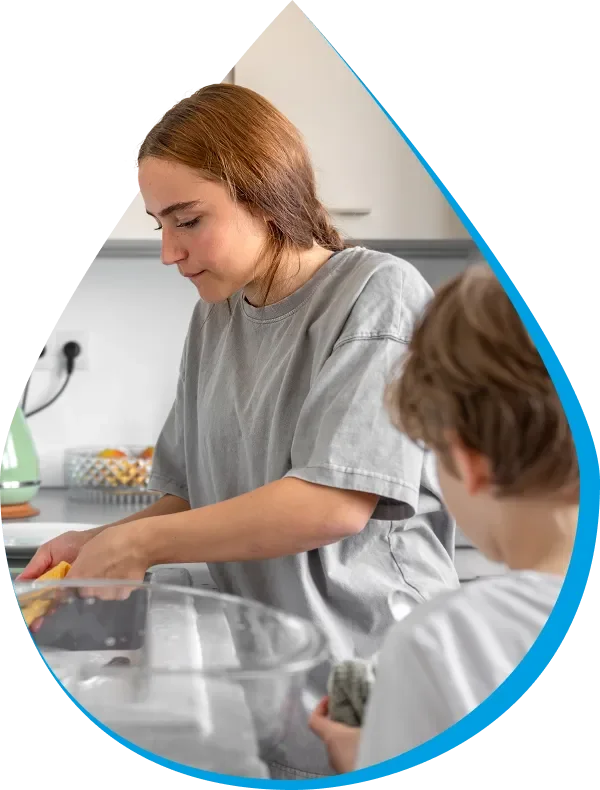
Softened water helps soap and detergent rinse more cleanly, which can make laundry feel softer, towels feel better, and cleaning feel less frustrating.
Hard water can leave mineral residue behind after rinsing.
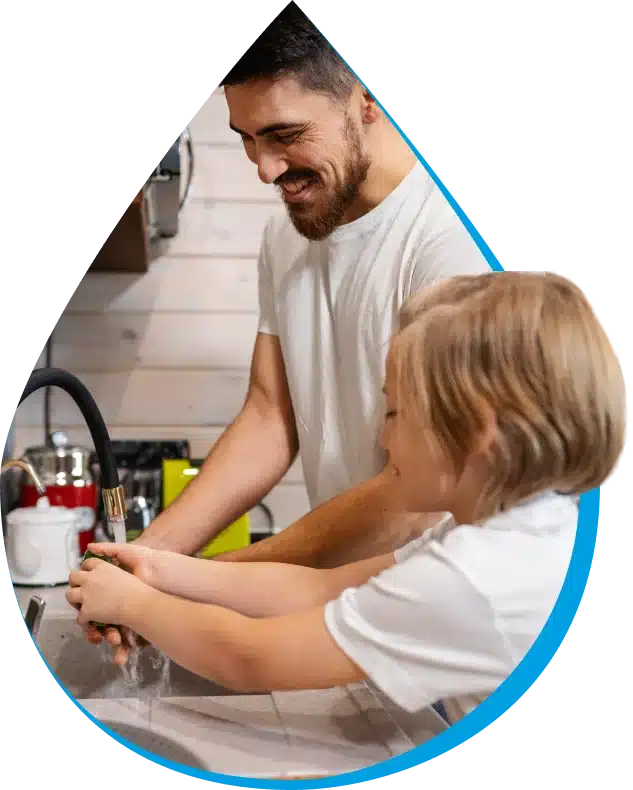
Softened water can help reduce that residue, making showers feel cleaner and less drying for many homeowners.
If scale and soap scum keep coming back after you clean, a water softener deals with the issue earlier in the system.
Instead of fighting buildup room by room, the softener treats the water before it reaches your bathrooms, kitchen, laundry area, and appliances.
The right system depends on your water source, household use, and whether you need softening only or a larger water treatment setup.
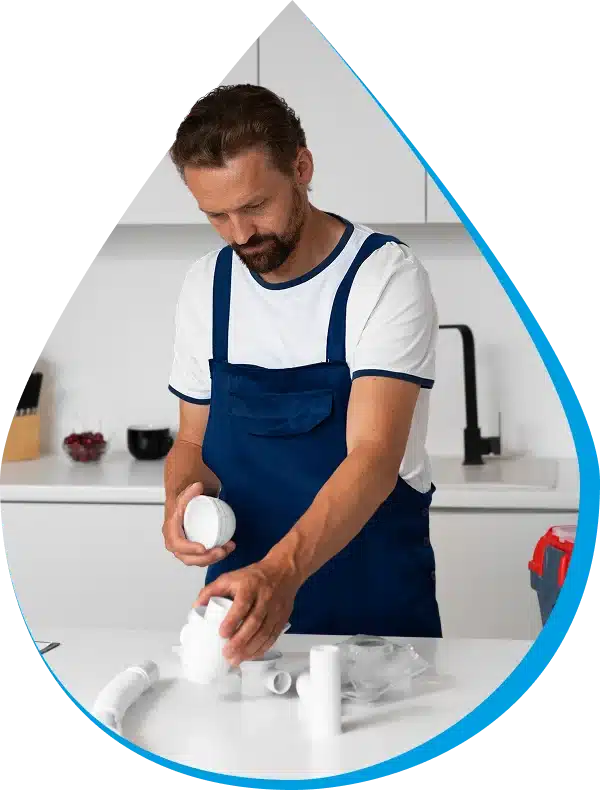
Water softener sizing should be based on actual demand.
A system that is too small can regenerate too often and still fail to keep up. A system that is too large may cost more than needed. A poor installation can also waste salt, waste water, or create performance problems.
Hardness testing shows how much mineral content the softener needs to handle.
This is one of the first things to check before choosing a system.
More people means more water use.
Showers, laundry, dishwashing, cooking, cleaning, and daily routines all affect how much capacity your system needs.
A home with multiple bathrooms, frequent laundry, and heavy dishwasher use needs a system that can handle that demand.
Sizing should match how the home is used, not just the square footage.
A good installation depends on the mechanical room setup.
We check drain access, bypass setup, plumbing location, available space, and service access before recommending the system.
If you already have a softener, we check whether it can be repaired, cleaned, reprogrammed, or upgraded.
Some units still have life left. Others are too old, too inefficient, or too undersized to be worth repairing again.
A proper installation should be clear, clean, and tested before the job is finished.
We start by learning what you need: a new installation, a replacement, a repair, or help figuring out why your current system is not working.
We review the water hardness level, household usage, mechanical room space, drain access, existing system condition, and any filtration needs.
You get a clear recommendation based on capacity, efficiency, salt use, filtration add-ons, and installation requirements.
The quote is explained before the work begins.
The system is installed with the correct bypass valve, drain line, brine tank setup, plumbing connection, and regeneration settings.
We test for leaks and confirm the system is operating properly.
Before we finish, we show you how to use the system.
You will know how to check salt, when to refill it, what warning signs to watch for, and when to schedule service.
Water softener cost depends on the system, the installation, and the condition of your current setup.
A replacement may be simpler than a first-time installation. A softener-only setup will price differently than a softener plus reverse osmosis. A home that needs plumbing modifications will have a different quote than one with a ready installation area.
The main cost factors include:
Yes, if hard water is creating repeat problems in your home.
A water softener helps reduce buildup, protect appliances, make cleaning easier, improve laundry, and make daily water use more comfortable.
For Fort Saskatchewan homes with hard water, it is a practical upgrade, not just an extra feature.
A proper quote should come before the work starts.
We review the water, plumbing, system size, installation needs, and any add-ons before recommending equipment.
Repair is important because many softeners fail slowly before they fail.
A system may still turn on but stop softening properly. It may use salt without producing soft water. It may regenerate at the wrong time, leak, or lose pressure.
Call for service if you notice:
Common issues include brine tank problems, clogged valves, worn resin, incorrect settings, control head problems, salt bridges, drain line issues, and tank leaks.
Some issues are simple service problems. Others point to a system that is wearing out.
Repair makes sense when the unit is still in good condition and the issue is specific.
Replacement is better when the unit is old, inefficient, undersized, leaking, or needing service too often.
We help you avoid paying for a repair that only delays the real fix.
Maintenance keeps the softener consistent and helps prevent avoidable breakdowns.
Salt should stay at the right level so the system can regenerate properly.
If the salt runs too low or bridges inside the tank, the water can start feeling hard again.
The brine tank can collect salt mush, residue, and buildup over time.
Cleaning it helps protect the regeneration process.
The resin bed is where the softening happens.
If the resin is worn, fouled, or damaged, the softener may stop reducing hardness properly.
The valve controls how and when the system regenerates.
If the settings or valve are wrong, the system can waste salt, waste water, or fail to produce consistent soft water.
Annual service helps keep the system checked, cleaned, and adjusted.
It also helps catch smaller issues before they turn into repairs.
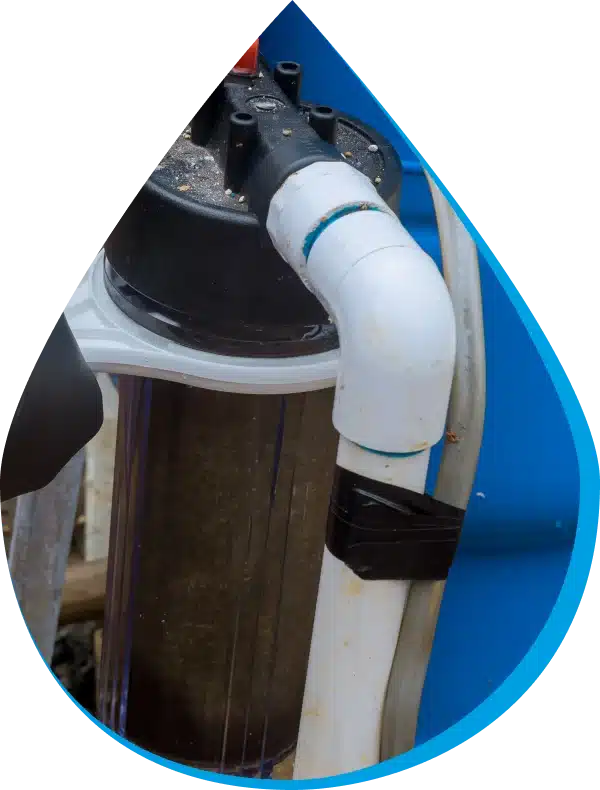
A water softener and a water filter solve different problems.
A water softener targets hardness minerals like calcium and magnesium.
It helps reduce scale, soap scum, mineral buildup, rough laundry, and hard water residue around the home.
A water filter targets water quality concerns such as taste, odour, sediment, chlorine, iron, or other contaminants depending on the system.
You need both when you want softened water throughout the home and better drinking water at the tap.
A softener handles hardness. A filter or reverse osmosis system handles drinking water quality.
Reverse osmosis is mainly used for drinking water.
It does not replace a whole-home water softener. It works beside one when you want softened household water and filtered drinking water.

Fort Saskatchewan has residential neighbourhoods, small businesses, and a strong industrial and commercial base.
That means water softener needs can vary from a single-family home to a café, salon, shop, clinic, office, or light commercial property.
For homes, the focus is daily comfort, easier cleaning, appliance protection, laundry, showers, and whole-home water use.
We help homeowners choose systems that match household size, plumbing layout, and daily water demand.
For small businesses, water quality can affect equipment, cleaning, customer experience, and operating costs.
Restaurants, cafés, salons, clinics, offices, shops, and laundromats may need stronger capacity or more consistent performance than a basic residential setup.
A commercial or larger-capacity system may be needed when the property has:
The system should be sized around real demand, not treated like a standard home installation.
We provide water softener installation, repair, replacement, and maintenance across Fort Saskatchewan, including:
You get a clear recommendation, proper sizing, and service that covers more than installation.
We can help with new systems, replacement, repair, maintenance, filtration add-ons, and reverse osmosis options.
We also serve nearby communities, including:
Yes. Fort Saskatchewan’s water is supplied by EPCOR from a treatment plant in Edmonton using the North Saskatchewan River as the source. EPCOR reports North Saskatchewan River water as moderately hard, around 165 mg/L as calcium carbonate on average.
Common signs include white buildup, soap scum, rough towels, dull laundry, dry-feeling skin or hair, water spots, and scale around fixtures or appliances.
The cost depends on system size, water usage, plumbing setup, installation complexity, old system removal, and whether filtration or reverse osmosis is added.
The right size depends on hardness level, number of people in the home, bathrooms, laundry use, daily water demand, and plumbing setup.
Yes. Softened water can reduce mineral residue that contributes to dry-feeling skin, hair, and soap buildup.
A water softener targets hardness and scale. A filter targets taste, odour, sediment, chlorine, iron, or other water-quality concerns.
No. Reverse osmosis is usually for drinking-water filtration, while a water softener treats hardness throughout the home.
Annual service is a good recommendation. Book service sooner if the water feels hard again, salt usage changes, the unit leaks, or the system stops regenerating properly.