Hard water is tough on your home. It leaves spots on dishes, scale on faucets, buildup in appliances, and that dry feeling after showers.
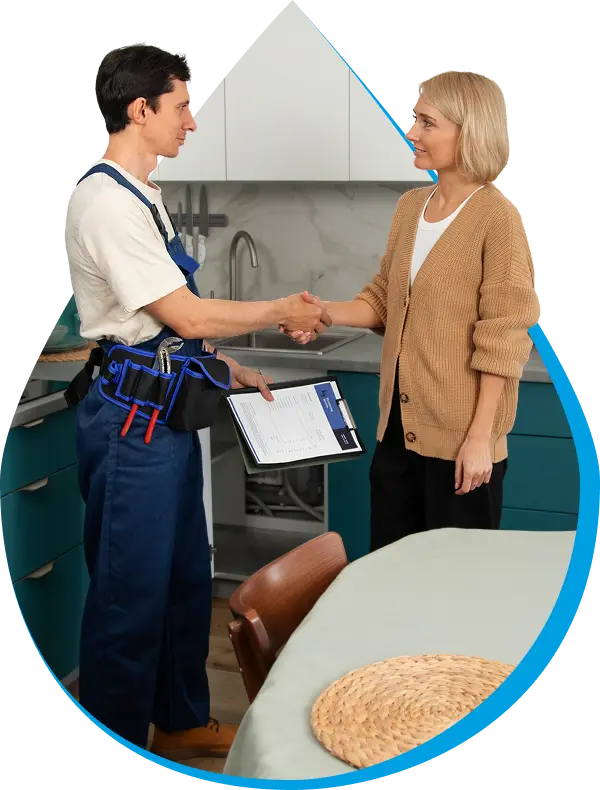
Whether you are adding a new system or dealing with an old one that stopped doing its job, we help you choose the right next step.
If your current softener is old, unreliable, using too much salt, or no longer giving you soft water, replacement may be the better option.
A newer high-efficiency system can give you better performance with less waste and fewer service issues.
Not getting soft water anymore? Your system may need repair, not replacement.
We can check for common issues like salt bridges, valve problems, failed regeneration cycles, low pressure, leaks, resin issues, and incorrect settings.
A water softener needs basic upkeep to keep working properly.
Maintenance can include salt checks, brine tank cleaning, resin inspection, valve testing, regeneration cycle checks, and overall performance testing.
If you answered “yes” to any of the above, it may be time to consider water treatment solutions like whole-house filtration systems or water softeners.
Yes. Sherwood Park water is considered moderately hard.
Sherwood Park receives treated water through the Edmonton/EPCOR system, with source water from the North Saskatchewan River. EPCOR reports the average hardness at around 165 mg/L as calcium carbonate.
That level of hardness is enough to cause mineral buildup in homes over time.
A water softener helps reduce these everyday hard water problems before they keep spreading through the home.
Hard water leaves mineral deposits behind. Over time, that buildup can collect on taps, showerheads, valves, fixtures, and plumbing components.
Softened water helps reduce scale so your fixtures stay cleaner and your plumbing has less mineral buildup to deal with.
Water heaters, dishwashers, washing machines, coffee makers, humidifiers, and other appliances all work better when they are not fighting mineral scale.
A water softener helps reduce hardness before it reaches those appliances.
Hard water can make detergents less effective. That is why clothes may feel stiff, towels may feel rough, and dishes may come out spotty.
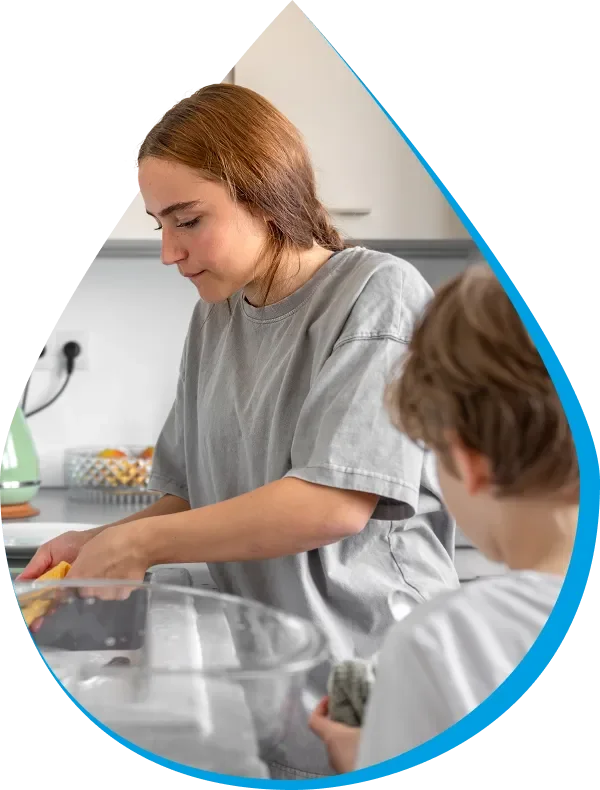
With softened water, many homeowners notice softer laundry, cleaner dishes, fewer water spots, and less scrubbing around sinks and showers.
Hard water can leave residue behind after you shower. Softened water helps soap rinse away more easily, which can make showers feel cleaner and more comfortable.
If you answered “yes” to any of the above, it may be time to consider water treatment solutions like whole-house filtration systems or water softeners.
If you are tired of constantly cleaning white buildup and soap film, a water softener can make a big difference.
It does not remove cleaning from your life, but it can make your home much easier to keep clean.
If you answered “yes” to any of the above, it may be time to consider water treatment solutions like whole-house filtration systems or water softeners.
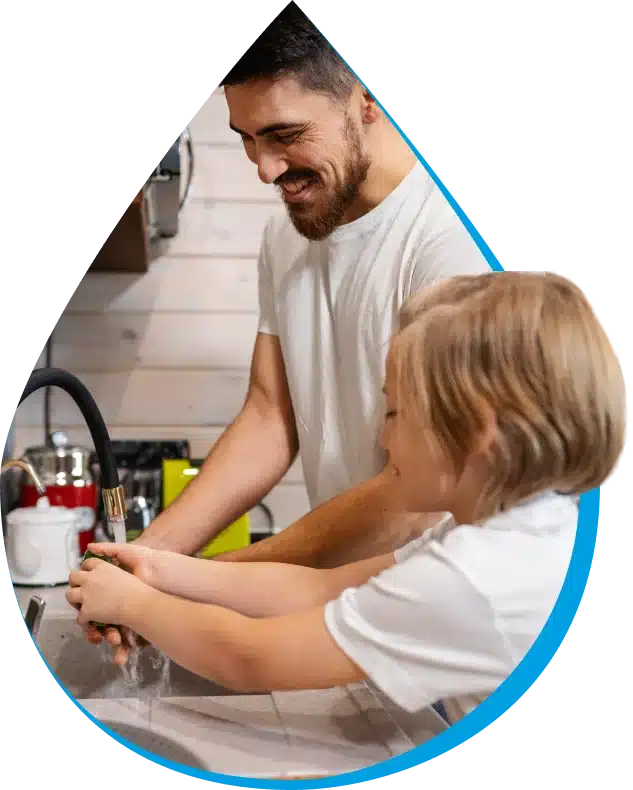
The best water softener for your Sherwood Park home depends on your water, your household, and how much water your family uses. We help you compare your options without turning it into a confusing technical process.
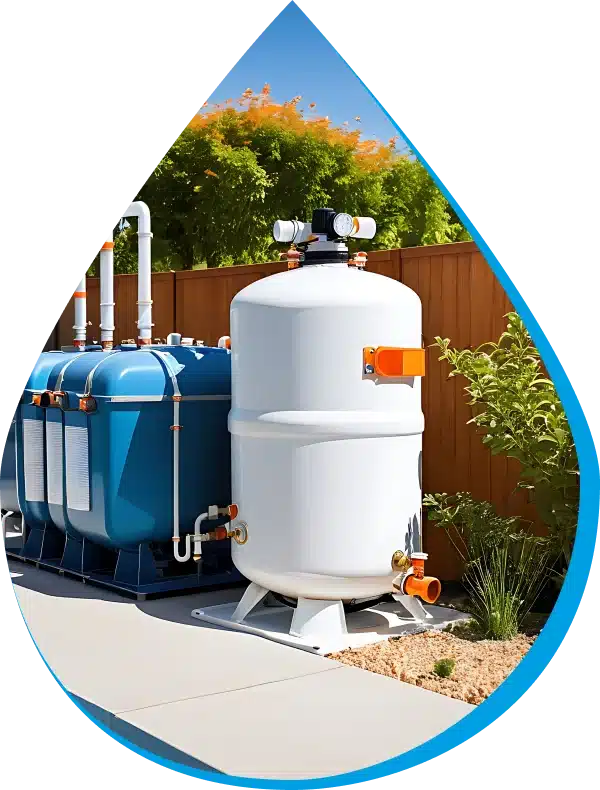
A whole-house water softener treats water before it moves through your home. This is the main choice for homeowners who want soft water for showers, laundry, dishes, fixtures, and appliances.
High-efficiency softeners are designed to use less salt and water while still delivering consistent soft water. They are a strong option for homeowners who want reliable performance without unnecessary waste.
Salt-based water softeners are the traditional choice for true water softening. They remove hardness minerals like calcium and magnesium through ion exchange. If your main concern is hard water buildup, this is the strongest option.
Salt-free conditioners are not the same as water softeners. They condition hardness minerals but do not remove them the same way a salt-based softener does. They may work for some homes, but they should be chosen carefully.
If you answered “yes” to any of the above, it may be time to consider water treatment solutions like whole-house filtration systems or water softeners.
A water softener helps with hard water throughout the home. Reverse osmosis helps improve drinking water at a dedicated tap. If you want both whole-home hard water protection and better-tasting drinking water, this combination is worth considering.
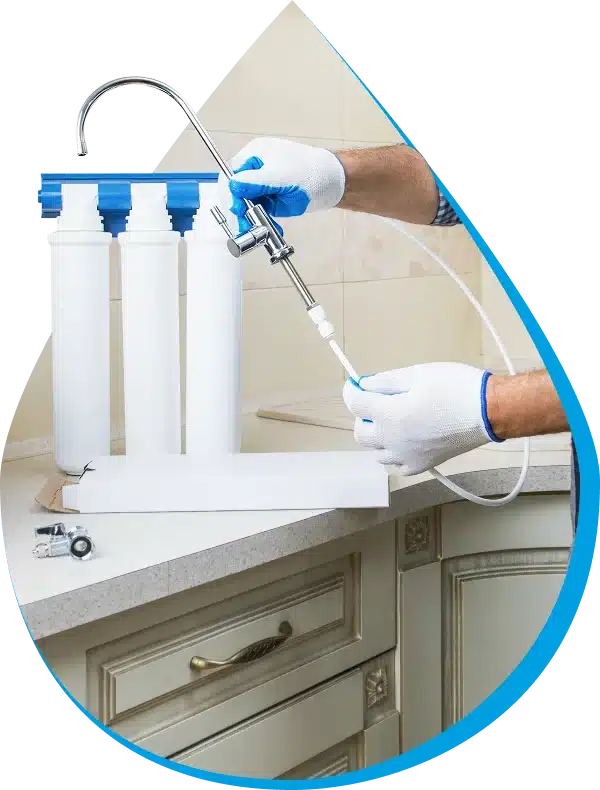
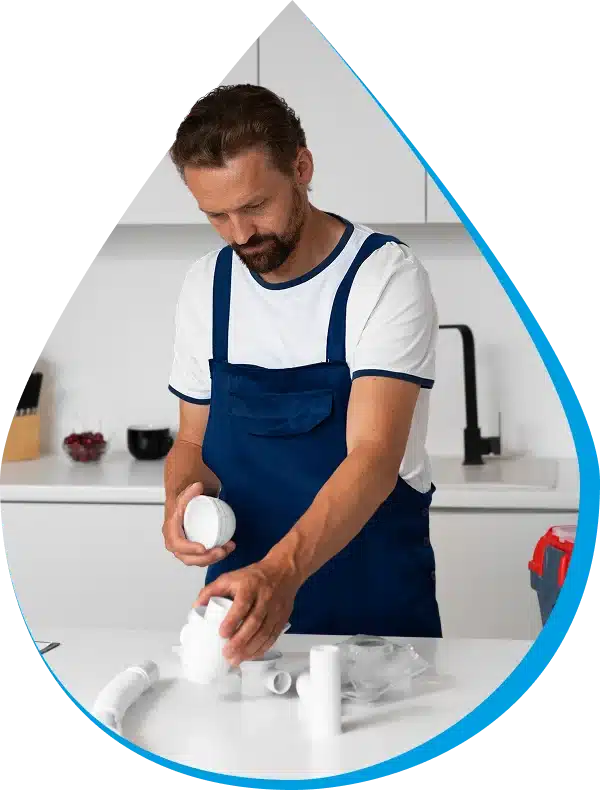
The wrong size water softener can waste salt, waste water, regenerate too often, or fail to keep up with your household. That is why proper sizing matters.
Your system size depends on:
Sherwood Park city-water homes usually have different needs than acreage or well-water homes near Strathcona County, so testing and assessment are important before choosing a system.
Your system is installed with the right bypass setup, drain connection, programming, leak testing, and startup process.
Water softener pricing depends on your home and the system you choose.
A simple replacement is not priced the same as a new installation that needs plumbing changes, old system removal, filtration add-ons, or extra setup work.
Common cost factors include:
The best way to get accurate pricing is to book a free water consultation.
For many Sherwood Park homes, yes.
A water softener can help reduce cleaning time, protect appliances, improve laundry, reduce water spots, and limit scale buildup around fixtures and plumbing.
If hard water is already annoying you every week, a properly installed softener is a practical upgrade.
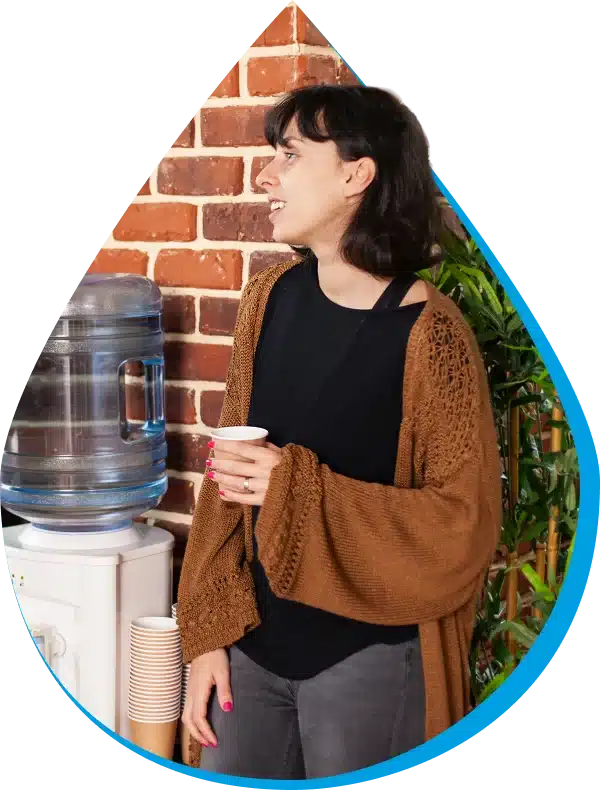
If your softener is not working, we can inspect it and tell you whether repair or replacement makes more sense.
Your system may need service if:
Replacement may be better if your system is old, inefficient, repeatedly breaking down, using too much salt, or no longer sized properly for your household.
A repair can fix some issues, but an outdated unit may keep costing you money.

Regular maintenance helps your system keep producing soft water and prevents avoidable breakdowns.
Annual service is a good option if you want the system checked, tested, cleaned, and adjusted before problems become bigger.
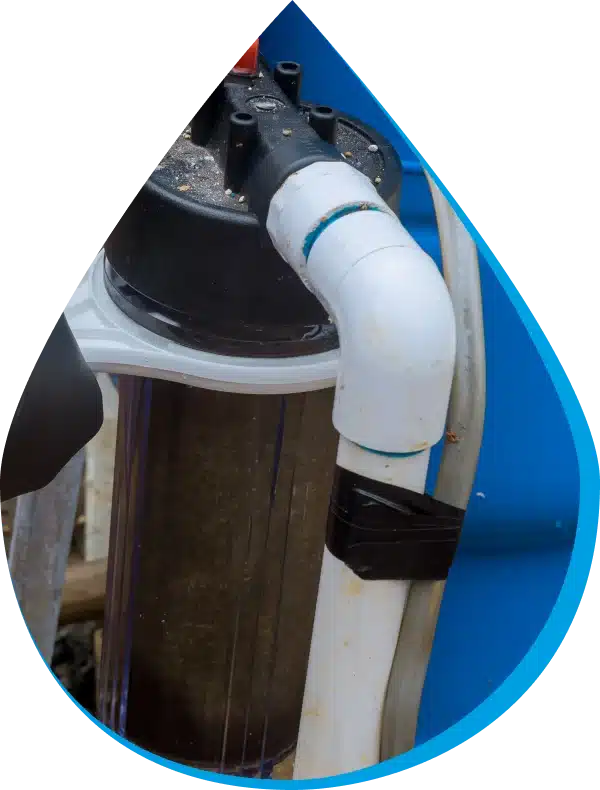
Water softeners and water filters solve different problems
A water softener targets hardness minerals like calcium and magnesium. It helps with scale, spots, soap scum, and mineral buildup.
A water filter targets things like taste, odour, sediment, chlorine, and other water quality concerns depending on the filter type.
Some homes only need a softener. Some homes benefit from both a softener and filtration. If drinking water taste is a concern, reverse osmosis may be a good add-on.
You get local service, clear advice, and a system chosen for your home instead of a generic recommendation. Why homeowners work with us:
We help with installation, replacement, repair, maintenance, and whole-home water treatment options for Sherwood Park homeowners.
We serve Sherwood Park and nearby areas, including:
Yes. Sherwood Park water is considered moderately hard, with EPCOR reporting average hardness around 165 mg/L as calcium carbonate.
You may need one if you notice white scale, water spots, soap scum, dry skin, rough towels, dull laundry, or appliance buildup.
The cost depends on the system size, installation setup, plumbing changes, old system removal, and any filtration add-ons. A free consultation is the best way to get accurate pricing.
It depends on your water hardness, household size, water use, number of bathrooms, and plumbing setup.
Yes, softened water can help soap rinse away more easily and reduce the mineral residue hard water leaves behind.
A softener helps with hardness, not necessarily taste. For better drinking water, reverse osmosis is usually the better option.
Most systems should be checked at least once a year, especially if you notice hard water returning or salt usage changing.
Not always. A softener handles hard water throughout the home, while reverse osmosis is mainly for drinking water. Many homeowners choose both.