In Edmonton, drinking water is treated and supplied by EPCOR Utilities to meet strict safety and quality standards. As part of the treatment process, chlorine is used to disinfect the water and eliminate harmful microorganisms. After this initial step, ammonia is added to form chloramine.
Because chloramine is designed to last longer than chlorine, small amounts remain in tap water by the time it reaches households. This can sometimes result in a faint chemical smell, subtle taste differences, or changes in how water interacts with skin, hair, and household plumbing.
Chloramine in water is not inherently dangerous to consume in small concentrations. It is actually riskier to drink unfiltered water. However, it can cause long-term health risks if consumed in elevated levels over prolonged periods.
Let’s have a comprehensive look at how chloramine affects your drinking water and what solutions you can consider to deal with it effectively.
How Does Edmonton Treat Its Water With Chloramine?
In Edmonton, drinking water is sourced mostly from the North Saskatchewan River and treated by EPCOR Utilities. The treatment process includes several steps:
- Coagulation and Flocculation: Chemicals are added to the water to cause fine particles and impurities to clump together.
- Sedimentation: Heavier particles settle to the bottom, allowing cleaner water to move forward.
- Filtration: Water passes through sand and other media to remove smaller particles.
- Disinfection (Chlorine): Chlorine is added to rapidly inactivate bacteria, viruses, and protozoa.
- Chloramination (Ammonia Addition): Ammonia is introduced to react with chlorine, forming chloramine. This creates a more stable disinfectant that persists throughout the water distribution system.
How Are Chlorine & Chloramine Different?
Chlorine
Chlorine is a powerful, fast-acting disinfectant widely used in municipal water systems. It effectively neutralizes bacteria, viruses, and protozoa within minutes.
On the flip side, chlorine has a relatively short lifespan in water, which means it dissipates quickly during distribution. It can also react with organic material present in water to form disinfection byproducts (DBPs), including trihalomethanes (THMs) and haloacetic acids (HAAs), which can increase the risk of cancer and reproductive health problems.
Treating chlorine is relatively easier than treating chloramine due to its shorter lifespan. A standard chlorine filter often suffices to remove it effectively.
Chloramine
Chloramine is produced when chlorine reacts with ammonia, forming a combined chlorine compound.
Unlike free chlorine, chloramine lasts for several days in the distribution system. The wisdom behind its longer lifespan is to provide ongoing disinfection over long distances. While it produces fewer THMs than chlorine, chloramine can lead to the formation of other byproducts such as chlorite and N-nitrosodimethylamine (NDMA).
Removing chloramine is more complex because it needs catalytic carbon to break its strong chemical bond. Regular dechlorination methods like boiling, standing or aerating water don’t have the same effectiveness on chloramine.
Levels of Chloramine in Edmonton Water
EPCOR maintains disinfectant levels in Edmonton’s distribution system within Health Canada guidelines. The following table summarizes the regulated levels:
| Parameter | Range in Distribution | Health Canada Guideline | Notes |
| Free Chlorine | 0–0.3 mg/L | 5 mg/L | Almost fully converted to chloramine before reaching homes |
| Chloramine (Total Residual) | 0.5–2.5 mg/L (avg ~2.19 mg/L) | 5 mg/L | Main disinfectant in tap water |
| Total Disinfectant Residual | 0.5–2.5 mg/L | 5 mg/L | Combination of chlorine + chloramine |
| pH | 6.5–8.5 | 6.5–8.5 | Maintained for chemical stability and corrosion control |
Health Canada provides clear guidelines to ensure disinfectant safety in drinking water:
- Chlorine & Chloramine Residuals: Maximum allowable residual is 5 mg/L.
- pH Levels: Should remain between 6.5–8.5 to ensure stability and reduce corrosion.
- Monitoring: EPCOR performs daily testing at multiple points across the distribution system to maintain proper water quality at all times.
Seasonal and operational adjustments may slightly alter disinfectant levels, but they always remain within regulated limits.
Signs You May Have Chloramine In Your Home
Unusual Taste or Odor
Water may carry a faint chemical or “swimming pool” smell. Some users report a metallic or slightly bitter taste when drinking, cooking, or making beverages like tea or coffee.
You might also notice odd odors coming from heating water in appliances like kettles, water heaters, or coffee machines due to trapped disinfectants.
Dry or Irritated Skin
Frequent exposure to chlorinated water can dry out skin and strip natural oils. Individuals with sensitive skin, eczema, or other dermatological conditions are especially prone to flare-ups, itching, or redness after showers or handwashing.
Young children and seniors are usually more sensitive to chlorinated water, sometimes developing dry patches, rashes, or minor irritation after regular bathing.
Hair Changes
Hair may feel rough, dry, or appear dull over time. This may happen when chloramine binds to the hair and scalp, making it harder to rinse out and contributing to hair breakage.
Faded or Stiff Laundry
Residual disinfectants in the laundry can damage fabrics over time, causing your clothes, towel and bedding to lose their vibrancy and softness.
Plumbing and Appliance Effects
Chloramine can react with rubber gaskets, seals, and certain metals in plumbing and appliances. This can cause corrosion and cause minerals to build up over time, clogging the internal components in water heaters, dishwashers, or faucets.
Aquarium or Plant Sensitivity
Chloramine is toxic to fish, amphibians, and sensitive aquatic plants. Even small amounts of these disinfectants can cause fish, plants or invertebrates in aquariums to die, which is why using a liquid water conditioner is a must.
Excessive Foaming in Baths or Showers
Some households notice unusual foam or bubbles in bathtubs or sinks, caused by interactions between chlorine/chloramine and soap or detergents.
Best Solutions in Edmonton For Treating Chloramine
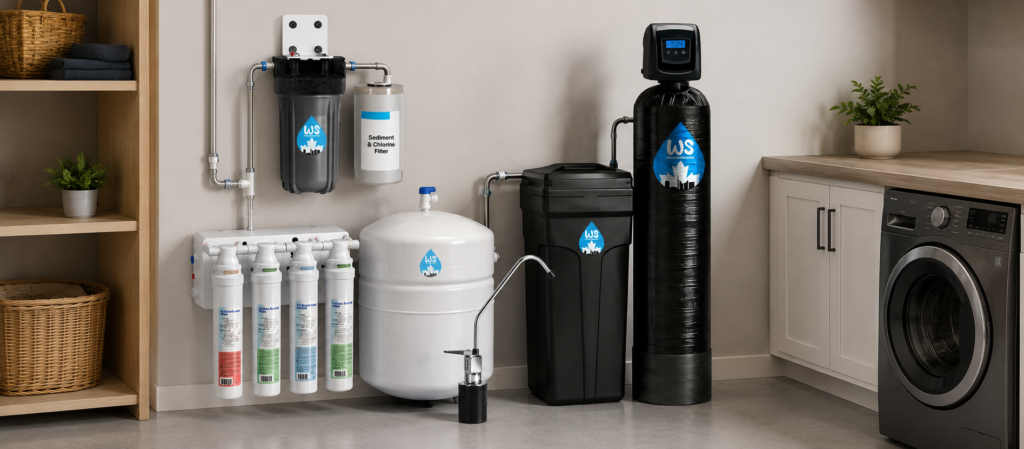
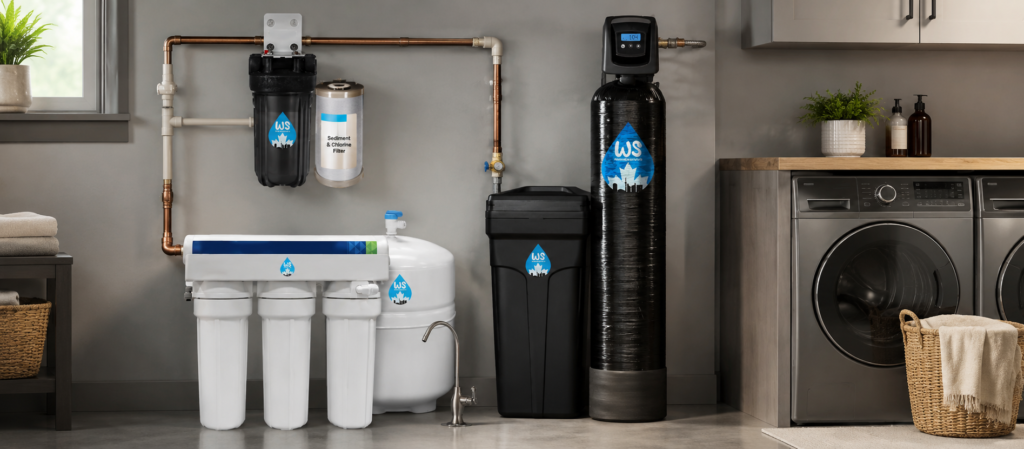
Chlorine Pre‑Filter
A chlorine pre-filter is a compact point-of-entry filter that treats water as it enters the home, primarily to protect downstream systems like water softeners or RO units. It reduces chlorine/chloramine enough to prevent damage and mild taste or odor issues but is not designed for comprehensive whole-house water quality improvement.
Who Should Buy This:
- Homes with existing water softeners or RO systems
- Households with minor chlorine taste or odor concerns
- People who want to protect existing equipment instead of treating every tap
- Families looking for a low-cost, low-maintenance first step in water treatment
Whole Home Dechlorination Tank
This is a full-scale solution that treats all water entering the house, including showers, laundry, and faucets with high-capacity catalytic carbon capable of removing chloramine effectively. It’s designed for broad, long-term chemical reduction.
Who Should Buy This:
- Homes with strong chemical odor or taste issues
- Residents with sensitive skin or hair conditions
- Families that want all water in the home treated, not just drinking water
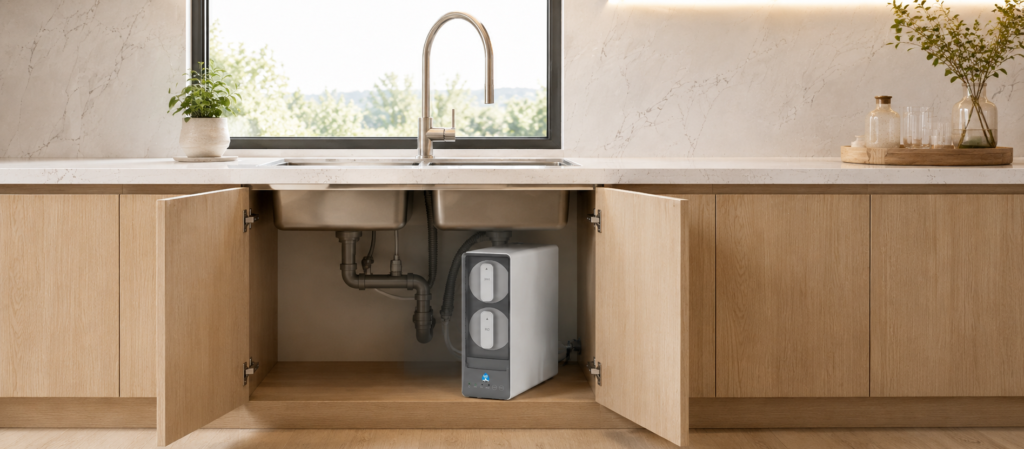
Reverse Osmosis RO System
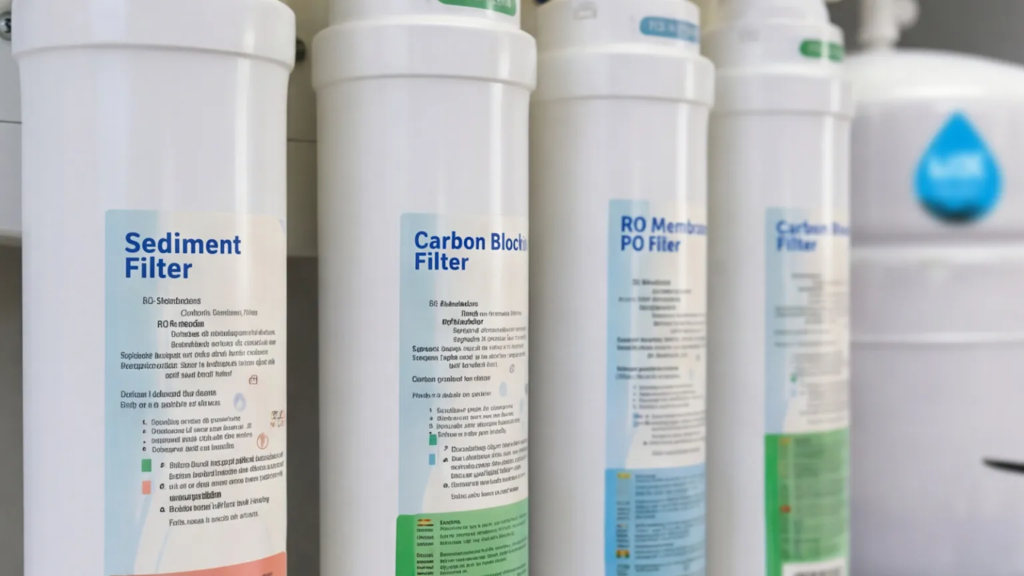
A point-of-use system under the sink that treats drinking and cooking water. It uses multiple stages (sediment, carbon, RO membrane) to remove dissolved solids, heavy metals, and residual chemicals. They are often combined with whole house chlorine removal tanks for ensuring a complete solution.
The tank removes chlorine, chloramine and VOCs before they reach the RO system’s delicate membrane. The RO system then forces the dechlorinated water through the semipermeable membrane that removes dissolved solids, heavy metals, and other chemical contaminants.
This produces water of high purity, ideal for drinking and cooking, which whole-house systems alone cannot achieve.
Who Should Buy This:
- Households wanting high-purity water at a dedicated tap
- Homes with whole-house treatment but still seeking superior drinking water quality
- Families concerned about heavy metals, nitrates, or chemical taste
If you’re looking for long-term solutions for addressing chlorine or chloramine in your tap water, Water Softener Edmonton offers a variety of solutions to deliver clean, filtered and purified water throughout your home. Find our water solutions here!
Purify Your Home Water With Water Softener Edmonton
Chloramine residue is common in Edmonton’s residential water supply systems, and while it may not be immediately dangerous, it can cause some discomfort and gradual health problems if not addressed head-on.
The good news is, Water Softener Edmonton provides a wide range of systems within affordable rates to dechlorinate your water supply effortlessly.
Call us today and let us guide you on what filtration system is optimal for your water concerns.