Skip to content
Summer in Edmonton usually changes a lot around the house. Kids are home from s,fbnm,chool, guests drop by more often, laundry piles up faster, and between backyard projects, road trips, hot tubs, garden watering, and extra showers after being outdoors, your home often ends up using far more water than it did just a few months earlier.
Most homeowners notice the change in their utility bills, but very few stop to think about what that extra demand is doing to their water softener.
The thing is, your water softener is programmed around your home’s normal water habits. When those habits shift during summer, the same settings that worked perfectly in winter or spring may not always keep up. Salt may start disappearing faster, regeneration cycles may feel more frequent, or small hard water signs might start creeping back into the home.
In this guide, you’ll understand how summer water usage can affect your softener settings, what warning signs to watch for, and a few simple checks that can help your system keep up through the busiest months of the year.
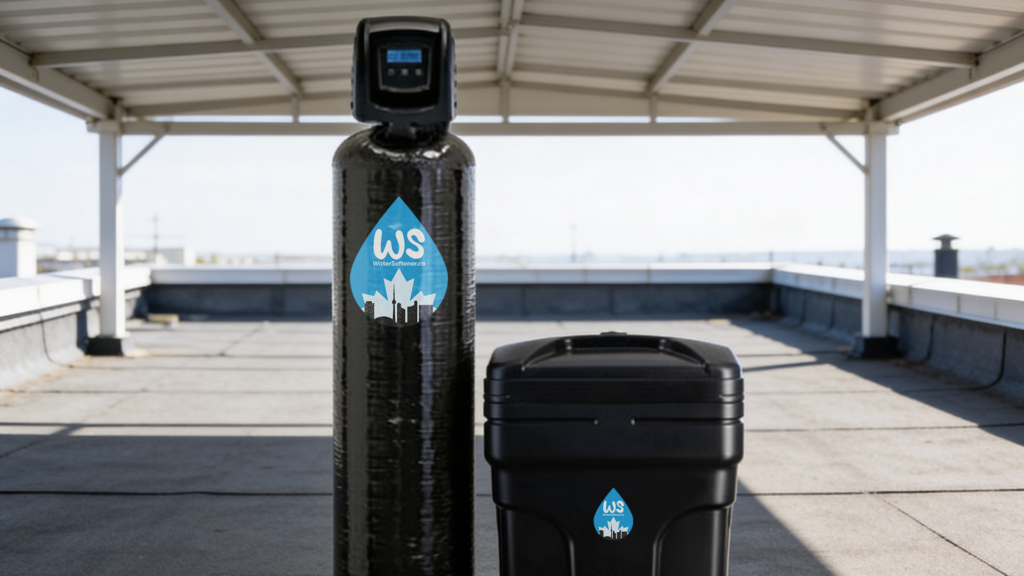
How Water Usage Typically Changes in Edmonton During Summer
Summer changes your water usage in very subtle ways – you may not even notice how much water you’re consuming until you get your water bills. Between extra showers, increased laundry sessions, filling water tubs more often, and frequent garden watering, your softener may be working in overdrive as compared to winter.
This puts noticeably more demand on your home’s water system, and that includes your water softener. Because your softener works in the background, most homeowners don’t realize it’s responding to every extra gallon being used. More softened water moving through the house means the system may regenerate more often and use salt faster.
It’s not that summer itself causes your water softener to work harder. It’s more about individual household habits and routine changes in summer that affect your water usage, naturally affecting how often your water softener needs to regenerate.
Does Your Water Softener Need Different Settings in Summer?
For many homeowners, the answer is yes, based on your situation. You don’t need to completely reprogram your water softener every time the weather gets warmer. But if your household starts using noticeably more water during summer, the settings that worked perfectly in winter may not always match your current water habits.
Think about it this way: your softener is usually programmed based on things like:
- how many people live in the home
- your water hardness level
- your average daily water usage
- how much softened water the system can handle before regenerating
That works well when your routine stays fairly consistent. But summer rarely looks like “average” due to unpredictable routines and increased water usage. So what settings actually matter in the summer?
1. Regeneration Frequency
This is usually the first thing affected. Regeneration is when your softener cleans and recharges its resin using salt so it can continue removing hardness minerals from your water.
If your household starts using more water in summer, your system may reach its capacity sooner than usual.
If regeneration happens too late:
- hard water may start creeping back in
- soap may stop lathering as well
- glasses may look cloudy
- skin and hair may feel drier after showers
If regeneration happens too often:
- you may burn through salt faster than necessary
- extra water gets used during each cycle
- operating costs can quietly go up
A properly adjusted system should regenerate when it actually needs to. Not too early, and not too late.
2. Capacity Settings
Your softener has a set amount of hardness it can remove before it needs to recharge.
With extra showers, increased laundry sessions, and other water-oriented activities, your household may move through that capacity faster than usual. That doesn’t always mean the system is undersized. Sometimes it simply means your summer water habits are very different from your winter ones.
A quick review of your capacity settings can help make sure the softener is still regenerating at the right time. Review the programmed capacity setting on your control head and make sure it still matches your household size, water hardness, and actual summer water usage.
3. Regeneration Time
Most softeners are programmed to regenerate overnight, usually when water demand is low.
That still makes sense for most homes, but summer routines can shift.
For example:
| Winter Routine | Summer Routine |
| Everyone asleep by 10 PM | Family stays up later |
| Predictable schedules | Guests, vacations, late showers |
| Consistent water usage | More random spikes throughout the day |
If someone is showering late at night or using water during the scheduled cycle, it may be worth checking when your system regenerates.
When to Adjust the Water Softener Settings
You don’t need to adjust your settings just because it’s June.
But it may be worth taking a closer look if:
✔ Your salt seems to be disappearing faster than usual
✔ Your system is regenerating more often than you remember
✔ Soap doesn’t lather like it normally does
✔ You’re seeing spots on dishes or fixtures again
✔ Your summer routine looks very different from your winter routine
Sometimes the settings are perfectly fine and the issue turns out to be something else entirely, like a salt bridge, salt mushing, or a brine tank that simply needs attention. That’s where a quick inspection can tell you a lot.
It also helps to be aware of some simple maintenance tips to keep your water softener running efficiently, whether its summer or any other season. Read our blog on the best practices for maintaining your water softener to learn more.
Summer Problems That Can Affect Performance Beyond Settings
Sometimes your softener settings are fine, but the system still struggles because salt is not dissolving properly inside the brine tank. In summer, warmer or more humid areas can make this more noticeable, especially if the tank is rarely checked.
Salt Bridges
A salt bridge happens when salt hardens into a crust inside the tank. The tank may look full, but there can be an empty space underneath, so the salt is not mixing with water properly.
Signs to watch for:
- Salt level does not seem to go down
- Water starts feeling hard again
- Soap does not lather well
- Spots return on dishes or fixtures
How to remove it:
Open the tank, shine a flashlight inside, and gently push the salt with a broom handle or plastic rod. If it feels hollow underneath, break the hardened salt into smaller pieces. Avoid hitting the tank too hard. Once the bridge is broken, run a manual regeneration cycle.
Salt Mushing
Salt mushing happens when salt turns into a thick sludge at the bottom of the tank. This can stop the system from making proper brine, even if there is enough salt inside.
Signs to watch for:
- Salt looks wet or mushy
- The system regenerates, but water still feels hard
- Salt drops unevenly
- There is sludge at the bottom of the tank
How to remove it:
Put the softener in bypass mode, scoop out loose salt, then remove the mushy salt from the bottom. Rinse the tank with warm water if needed, refill it with fresh salt, and run a manual regeneration cycle.
A simple habit helps here: before adding more salt, look inside the tank first. If the salt looks solid, hollow, wet, or sludgy, fix that before topping it up.
Addressing damages, if any, on time is also important since worn out components can gradually decrease the softener’s performance. Read our blog on “Where to Find Reliable Water Softener Repair Services in Edmonton” to learn more.
City Homes vs Acreages Around Edmonton – Summer Demand Isn’t Always the Same
Summer water use does not look the same for every property. A city home in Edmonton may mostly deal with more showers, laundry, and guests, while an acreage may have extra water demand from outdoor work, animals, wells, sediment, or iron. Here’s a detailed breakdown:
| Property Type | Water Usage In Summer | What to Do |
| City homes | More showers, laundry, dishes, guests, and general indoor water use. | Check salt levels more often and review regeneration settings regularly |
| City homes with gardens or hot tubs | Water usage can jump quickly when filling hot tubs, watering gardens, or washing outdoor items. | Watch for hard water signs and adjust regeneration timing if needed. |
| Acreages | More water may be used for outdoor cleaning, workshops, barns, livestock areas, or larger household routines. | Make sure the softener is sized for actual summer demand. Check salt and capacity settings more often. |
| Rural homes on well water | Well water may bring in more iron, sediment, or minerals, especially during changing seasonal use. | Use the right pre-filtration, check resin cleaner needs, and watch for staining, odors, or fast salt use. |
| Seasonal cabins or part-time properties | The system may sit unused, then suddenly handle heavy weekend use. | Run a regeneration cycle when reopening the property and check for stale salt, bridging, or mushing. |
Also read: Solutions for Rural and Well Water in Edmonton
Keep Your Water Softener Ready for Edmonton’s Busy Summer Months
Summer routines change, and in many homes around Edmonton, that usually means your water softener is handling more work than usual. A quick seasonal check can help you catch small issues before they turn into hard water problems. Checking your salt level, making sure your settings still match your summer routine, and keeping an eye out for things like salt bridges or mushing all go a long way.
If your softener seems to be using salt faster than usual, regenerating more often, or simply not keeping up like it used to, Water Softener Edmonton is here to help. Whether you’re in the city, on an acreage, or using well water outside Edmonton, we can help make sure your system is ready for the busiest months of the year.