If you have a salt-based water softener, you may have wondered whether the water coming out of your tap is still safe to drink. It is a common question, especially when you hear that softeners replace calcium and magnesium with sodium during the softening process.
The answer is generally yes, but there is more to the question than simply asking whether softened water is “safe.” The amount of sodium added depends on your water hardness and how much water your household uses. That is why Canadian homeowners often have different experiences and opinions, including on Reddit.
Understanding how softening changes your water can help you decide whether to drink it directly, use a separate drinking-water system, or keep an unsoftened tap for drinking and cooking.
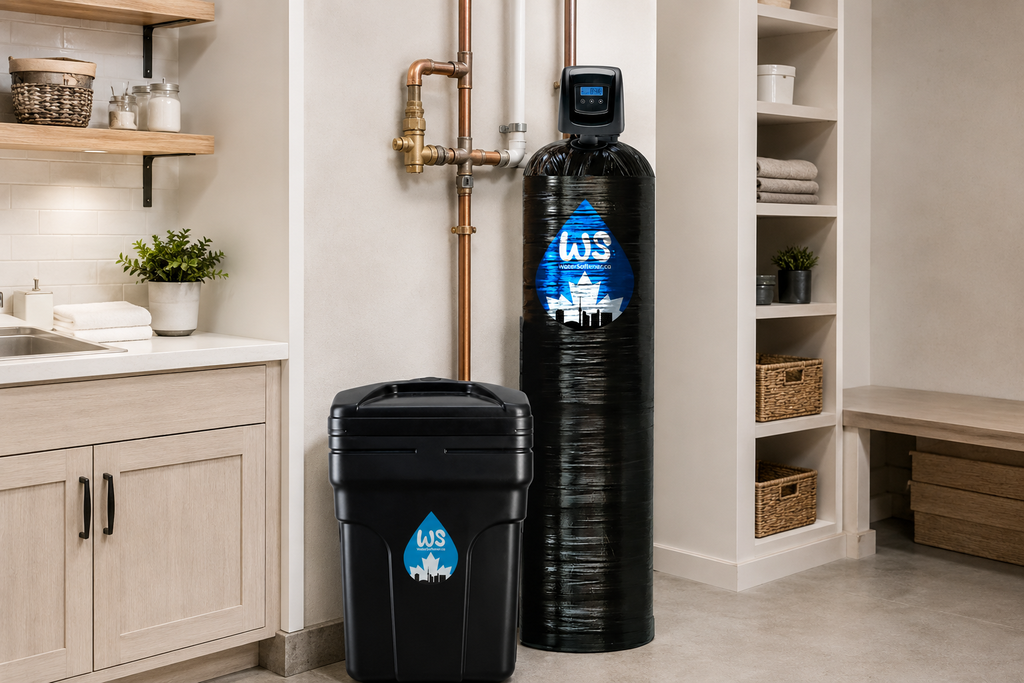
What Happens to Water When You Soften It?
A traditional salt-based water softener works through a process called ion exchange. As hard water passes through the softener, the system captures minerals such as calcium and magnesium, which are responsible for scale and buildup.
In their place, the softener releases a small amount of sodium into the water.
So the water is not simply “filtered.” Its mineral composition changes.
What Gets Removed?
The softener primarily targets:
- Calcium
- Magnesium
- Other hardness minerals
This helps reduce scale on faucets, fixtures, appliances, and plumbing.
What Gets Added?
Sodium replaces some of the calcium and magnesium that was removed.
How much sodium is added depends largely on how hard your water is. Harder water generally requires more ion exchange, which can result in more sodium being added.
That is why softened water should not be confused with purified or filtered drinking water. A water softener is designed primarily to reduce hardness, not to remove every substance that may be present in your water.
Also read: Best Water Softener According to Reddit: 4 Brands Compared
Is Softened Water Safe to Drink?
For most Canadian homeowners, yes, softened water is generally safe to drink. A properly installed and maintained salt-based water softener does not make the water unsafe simply because it has been softened.
The main difference is that the softening process replaces some calcium and magnesium with sodium. The amount added depends on the original hardness of the water and how much water your household uses.
This means softened water can be perfectly reasonable for:
- Drinking
- Cooking
- Making coffee and tea
- Brushing your teeth
- Everyday household use
However, softened water is not the same as purified drinking water. A water softener is designed to address hardness, not to remove every contaminant that may be present in the water.
Why Are People Concerned About Sodium?
The sodium content is the main reason some homeowners question whether they should drink softened water.
For most people, the amount added through normal household softening is not a major concern. However, people who have been advised to follow a low-sodium diet may want to consider how much sodium their softened water contains.
If sodium is a concern, testing the water can provide a clearer picture. Some homeowners also choose to use a separate drinking-water filtration or reverse osmosis system at the kitchen tap while keeping the rest of the home softened.
Also read: Is a Water Softener Worth It in Edmonton? Reddit Homeowners Weigh In
What Reddit Gets Right — and Wrong — About Drinking Softened Water
Reddit discussions can make softened water sound more complicated than it is. Here are the most common claims and what they actually mean:
| Common Reddit Claim | What’s Actually True |
| “Softened water has salt in it.” | Sodium is introduced during the softening process, but the amount depends on the original water hardness. |
| “You should never drink softened water.” | Not generally true. Properly softened water is suitable for most people. |
| “Boiling removes the sodium.” | False. Boiling does not remove sodium. |
| “You should always bypass the softener for drinking.” | Not necessarily. Some homeowners do, while others use softened water throughout the home. |
If sodium is a concern, particularly for someone following a low-sodium diet, testing the water is a better approach than relying on general advice from Reddit.
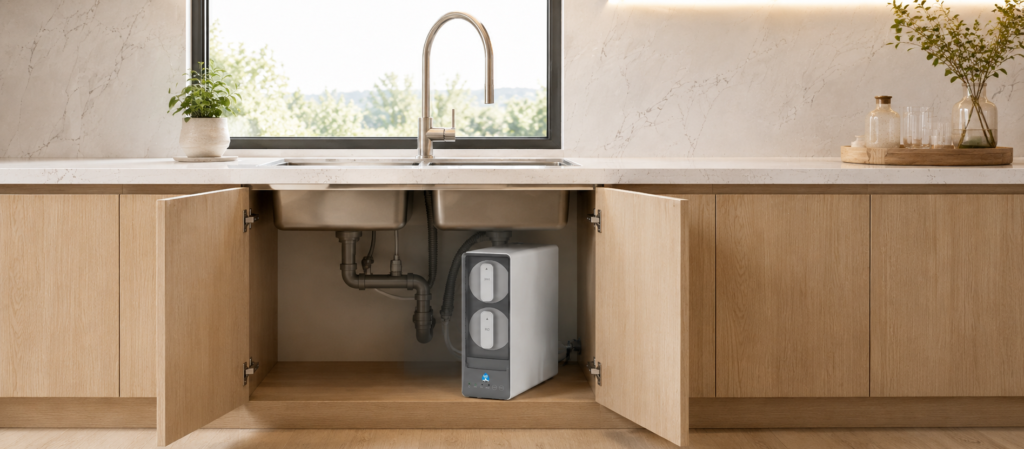
For homeowners who want additional treatment for drinking water, a reverse osmosis system can be used at the kitchen tap.
Also read: Top 5 High-Efficiency Water Softeners for Small Edmonton Condos
Should You Drink Softened Water or Use Reverse Osmosis?
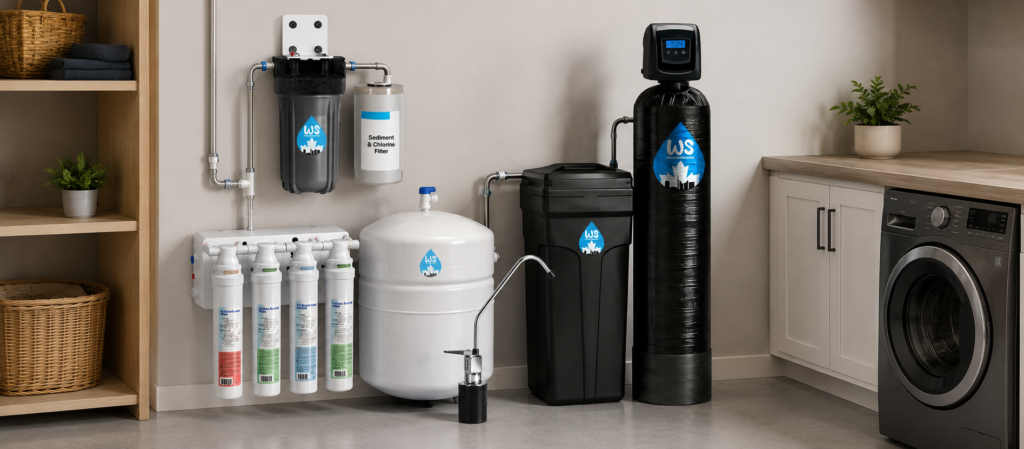
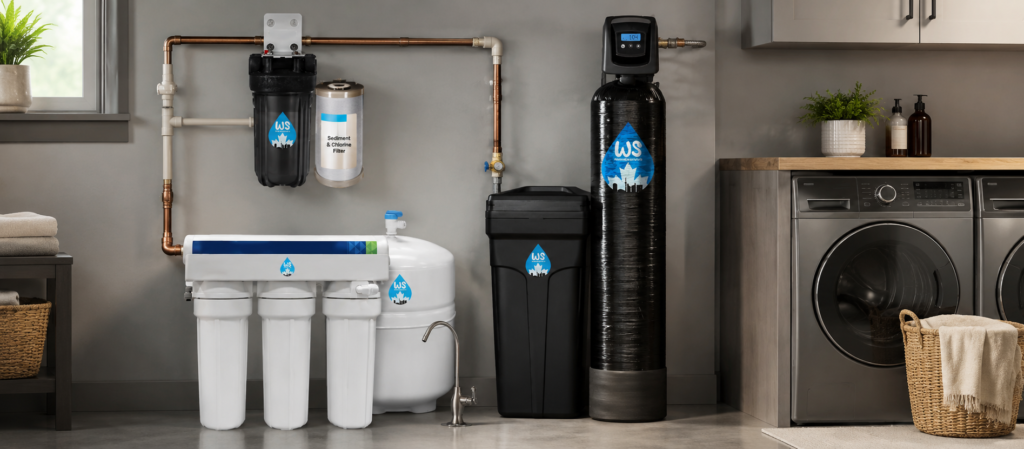
A water softener and a reverse osmosis (RO) system do different jobs, so it is not really a matter of one being better than the other.
A softener is mainly used to remove calcium and magnesium that cause hard water. RO provides additional treatment for drinking water and reduces a wider range of dissolved substances.
| Water Softener | Reverse Osmosis | |
| Main purpose | Reduce water hardness | Additional drinking-water treatment |
| Removes hardness minerals | Yes | Yes |
| Reduces dissolved substances | Limited | Yes |
| Typical use | Whole home | Drinking/cooking water |
| Adds sodium | Salt-based systems do | No |
For many homes, the two systems can work together rather than replacing one another. A whole-home softener can handle hard water throughout the house, while an RO system at the kitchen tap can provide additional treatment for drinking and cooking.
If your main concern is scale and hard water, a softener may be all you need. If you also want additional treatment for your drinking water, RO may be worth considering.
Should You Bypass the Softener for Your Drinking Water?
You do not necessarily need to bypass your water softener for drinking water. For most households, properly softened water can be used for drinking and cooking.
However, some homeowners prefer to keep their drinking water unsoftened, especially if they want to avoid the additional sodium introduced during the softening process.
You generally have three options:
| Setup | Best For |
| Soften the whole home | Simple setup for homeowners comfortable drinking softened water |
| Bypass the kitchen tap | Keeping drinking and cooking water unsoftened |
| Softener + RO system | Soft water throughout the home with additional treatment for drinking water |
If you are unsure which setup makes sense, test your water first. Your water source and quality can help determine whether bypassing the softener or adding a separate drinking-water system is worthwhile.
Also read: Salt vs Salt-Free: Long-Term Cost Comparison in Edmonton
The Bottom Line
Yes, most Canadian homeowners can drink properly softened water. Whether you want to use it as your main drinking water depends on your water source, sodium concerns, and personal preference.
A water softener is designed to reduce hardness, not to make water completely purified.
If you want additional treatment for drinking and cooking, a dedicated filtration or reverse osmosis system at the kitchen tap can be a good option.
Frequently Asked Questions
Can you drink softened water every day?
Yes. For most people, properly softened water is suitable for everyday drinking. If you need to limit sodium, check the sodium level in your water first.
Does softened water contain sodium?
Yes. Salt-based softeners exchange calcium and magnesium for sodium. The amount added depends on the hardness of the original water.
Is softened water safe for children?
For most children, properly treated softened water can be used for drinking. If you have concerns about sodium or your child’s specific dietary needs, consult a healthcare professional.
Is softened water safe for cooking and making coffee?
Yes. Softened water can be used for cooking and beverages. In fact, removing hardness can help reduce mineral buildup in coffee makers and other appliances.
Does boiling softened water remove sodium?
No. Boiling does not remove sodium from water. If sodium reduction is the goal, a suitable filtration system is a better option.
Should I bypass my water softener for drinking water?
Not necessarily. Some homeowners prefer an unsoftened kitchen tap, while others use softened water throughout the home and add an RO system for drinking water.
Is reverse osmosis better than softened water for drinking?
They serve different purposes. A softener primarily addresses hardness, while RO provides additional treatment for drinking water. Some homes use both.
Can you drink softened well water?
Potentially, but well water should be tested first. Unlike municipal water, well water can have varying levels of hardness and other water-quality concerns that a softener alone may not address.