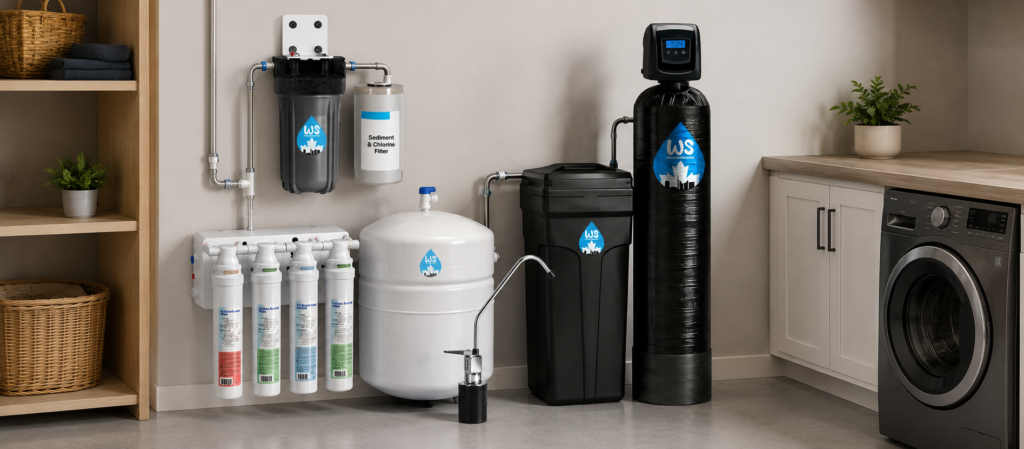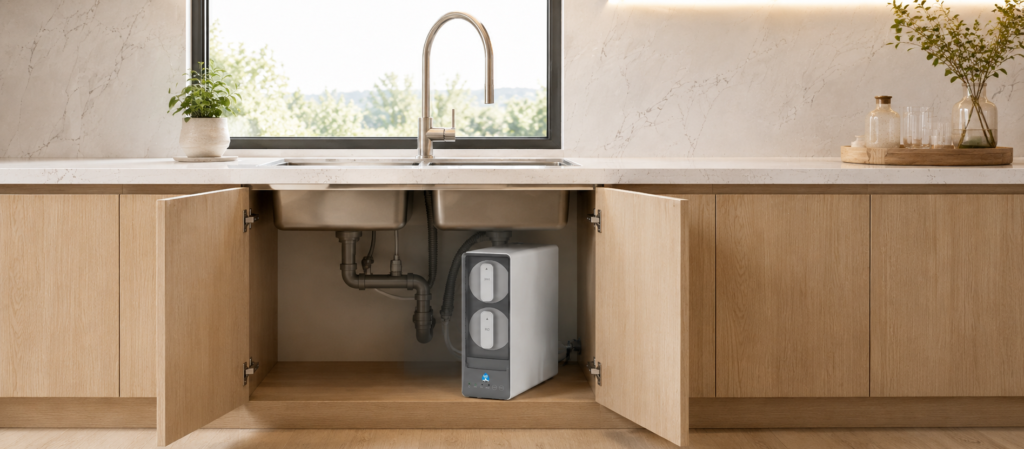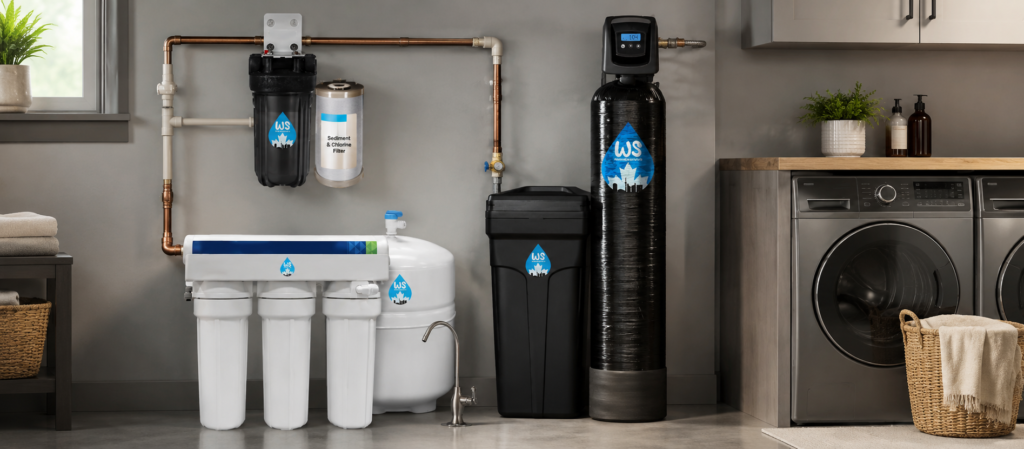
Water softeners have always been about solving a simple problem: hard water. Any water softener can make daily water use feel easier, but newer systems are now adding another layer of convenience with Wi-Fi controls, app alerts, salt reminders, water-use tracking, and smart monitoring.
That brings up a fair question: are smart water softeners actually worth it, or are they just another expensive home upgrade with features you may never use?
The answer depends on your household, your water usage, and how hands-on you want to be with maintenance. In this blog, we’ll shed light on what Wi-Fi enabled water softeners do, where they can be useful, where they may not be necessary, and how Edmonton homeowners can decide whether a smart system works for them or not.
What Is a Smart Water Softener?
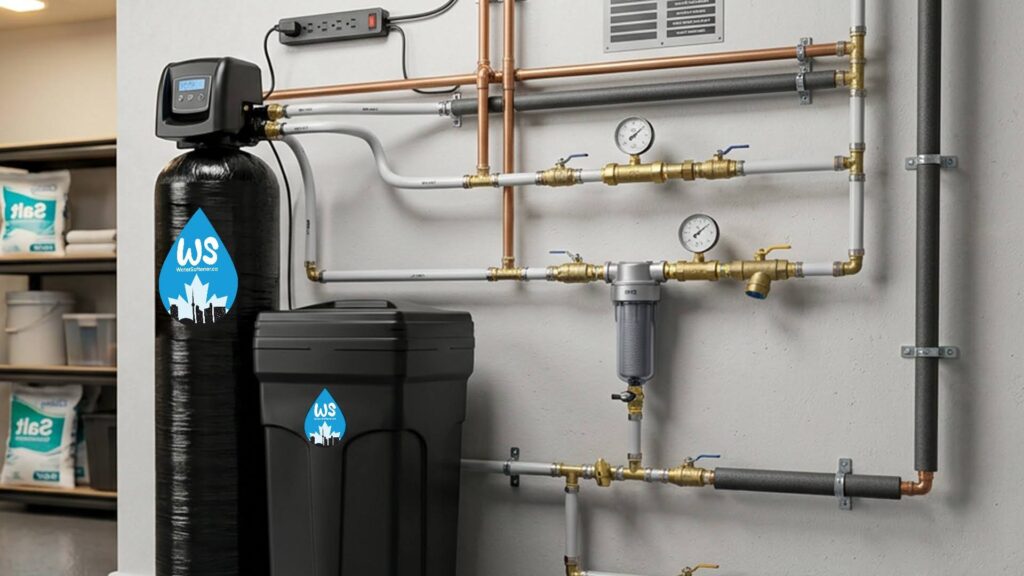
A smart water softener is a regular water softener with built-in digital features that help you monitor how the system is working.
The main job is still the same:
- Reduce hard water minerals
- Help prevent scale buildup
- Protect plumbing and appliances
- Improve everyday water use around the home
The “smart” part is not about making the water softer through Wi-Fi. It is about giving the homeowner better information.
Instead of guessing what the system is doing, a smart softener can help you answer questions like:
- Is the salt getting low?
- Is the system regenerating properly?
- Is my home using more water than usual?
- Does the unit need attention?
- Is there unusual water flow while I am away?
That is where the value comes in. A smart system makes the softener easier to keep track of, especially for homeowners who do not want to keep checking the unit manually.
Smart Features Currently Trending in the Market
Most smart water softeners are being built around one simple idea: fewer surprises.
Here are the features homeowners are seeing more often:
Salt level reminders: The system can alert you when salt is running low, so you are not opening the tank and guessing. This helps prevent the softener from quietly running out of salt.
Water usage tracking: Some systems show how much water your home is using. This can be useful for families, larger homes, or anyone who wants to understand why their system is regenerating more often.
Regeneration updates: Regeneration is the cycle where the softener refreshes itself. Smart systems may show when this happens, which helps you understand whether the unit is running normally.
Maintenance alerts: Instead of waiting until the water feels hard again, the system may send reminders or warnings when something needs attention.
App-based monitoring: Many smart systems connect to a mobile app, giving you a quick way to check the system without going down to the basement or utility room.
Continuous water flow alerts: Some newer systems can warn you if water appears to be running longer than normal. This can be helpful for spotting unusual usage or possible leaks early.
Remote shutoff options: Higher-end systems may connect with shutoff features, giving homeowners more control when they are away from home.
The important thing to remember is that these features are support tools. They do not replace proper sizing, installation, or water testing. A smart water softener is only worth it if the technology makes the system easier to manage in real life.
Also read: Water Softener Solutions for Different Home Types in Edmonton
Who Should Consider a Smart Water Softener?
A smart water softener is not for every homeowner, and honestly, it should not be sold that way. If you already check your softener regularly, refill salt on time, and know how your system behaves, you may not need Wi-Fi features at all.
But if your water softener is one of those appliances you only remember when the dishes look cloudy again, the smart features can be genuinely useful.
The best reason to consider a smart system is not because it feels high-tech. It is because it gives you reminders and information before hard water problems start creeping back into the home.
| Type of Homeowner | Why a Smart Softener Can Help |
| Busy families | High water use means the system works harder, and reminders help prevent missed salt refills or maintenance. |
| Larger households | More showers, laundry, and dishwasher cycles can make usage tracking more useful. |
| People who forget salt checks | Salt alerts remove the need to keep opening the tank and guessing. |
| Frequent travellers | App monitoring can help you keep an eye on the system while you are away. |
| Rental property owners | Alerts can be helpful when tenants are not checking the softener regularly. |
| Tech-friendly homeowners | If you already like smart thermostats, cameras, or app-controlled systems, this fits naturally into that style of home management. |
| Homeowners who dislike surprises | Early alerts can help you catch low salt, unusual water use, or system issues before they become noticeable around the house. |
The Biggest Benefit: You Stop Relying on Memory
Most people do not want another home system to babysit.
That is the main appeal of a smart water softener. It can reduce the number of things you have to remember manually. Instead of thinking, “When did I last check the salt?” or “Is this system even regenerating properly?” you can get alerts or status updates from the unit.
That is especially helpful in homes where water usage changes often.
For example:
- Guests staying over
- Kids doing more laundry
- More showers during winter
- A dishwasher running daily
- A rental unit with tenants using water differently than expected
In these situations, a standard softener can still work perfectly well, but a smart one gives you more visibility.
Busy Families Will Usually Get the Most Value
For a busy household, the softener is easy to ignore.
You may notice the problem only after the signs return:
- White scale around faucets
- Cloudy glassware
- Dry-feeling water after showers
- Soap not lathering as well
- Laundry feeling less soft
- Appliances working with harder water again
A smart system helps because it does not wait for you to notice those signs. Salt reminders, maintenance alerts, and regeneration updates can keep the system on your radar without turning it into another chore.
It Is Also Useful for People Who Are Away From Home Often
If you travel often, own a second property, or manage a rental home, smart monitoring becomes more valuable.
You are not always there to check the salt tank. You may not know if water use suddenly changes. You may not find out about a problem until someone complains.
A smart softener can give you a little more control from a distance. Depending on the model, you may be able to check system status, receive alerts, monitor water use, or get notified about unusual flow.
That does not replace proper installation or regular service, but it does give you a better chance of catching something early.
When a Standard Water Softener Is Probably Enough
A smart system is not automatically the better choice.
A regular water softener may be the better option if:
- You are on a tighter budget
- You do not care about app features
- You already check salt levels regularly
- Your household water use is simple and predictable
- You prefer fewer digital parts and less tech
- You only want reliable soft water without extra monitoring
This is where many homeowners should be honest with themselves. If you will never open the app, never read the alerts, and never use the tracking features, paying extra for Wi-Fi is probably not worth it.
Also read: Repair vs Replace: What Makes Sense for Edmonton Homes?
Who Can Probably Stick With a Standard System?
A smart water softener is useful for the right homeowner, but not everyone needs app alerts, Wi-Fi monitoring, or usage tracking. In some homes, a standard water softener is the better choice because it keeps things simple, reliable, and more budget-friendly.
You can probably stick with a standard system if:
- You already check your salt regularly.
If you are the type of homeowner who actually opens the tank, checks salt levels, and keeps the system maintained, smart reminders are not going to add much. - Your household water use is predictable.
A small household with a steady routine does not always need detailed water usage tracking. If water use stays mostly the same every week, a properly sized standard softener can do the job well. - You do not care about app-based control.
Some people love checking everything from their phone. Others find it unnecessary. If you know you will ignore the app after the first week, paying extra for Wi-Fi features is not the smartest move. - You want fewer digital features to deal with.
A standard system is usually simpler. For homeowners who prefer less tech, fewer notifications, and fewer connected devices in the home, that simplicity can be a benefit. - Your main priority is reliable soft water at a lower cost.
Smart features can be helpful, but they are still extra features. If the goal is simply to reduce scale, protect appliances, and improve daily water use without increasing the budget, a standard system is often enough. - You live in the home full-time and can check the unit yourself.
Remote monitoring is more useful when you travel often or manage another property. If the softener is in your own home and you can check it whenever needed, Wi-Fi may not be a big advantage. - You are not interested in tracking water habits.
Usage data can be helpful for some families, but not everyone needs that level of detail. If you do not care how much water the home used this week, the feature becomes more of a novelty than a benefit.
A standard water softener is not outdated just because smart systems exist. If it is properly sized, properly installed, and maintained on schedule, it can still handle Edmonton hard water very well.
The smart upgrade is better for people who want alerts, reminders, and remote visibility. If you do not need those things, a standard system may be the cleaner and more practical choice.
Also read: Water Softeners for New Builds in Edmonton
Final Thoughts: Are Smart Water Softeners Worth It?
Smart water softeners are worth it for the homeowner who will actually use the features. If salt reminders, water usage tracking, maintenance alerts, and app monitoring help you stay ahead of problems, then the upgrade can be genuinely useful.
That said, Wi-Fi should not be the first thing you look at. A water softener still needs to be properly sized, properly installed, and suited to your home’s water demand. A smart system with poor setup will not outperform a standard system that is chosen correctly.
At Water Softener Edmonton, we help homeowners compare both options without pushing features they do not need. Whether you are interested in a smart Wi-Fi enabled system or a straightforward traditional softener, the goal is the same: better water, less scale, and a system that fits your home properly from the start.